S7 E3: 100 Seconds to Midnight: Global Change and Emerging Disease
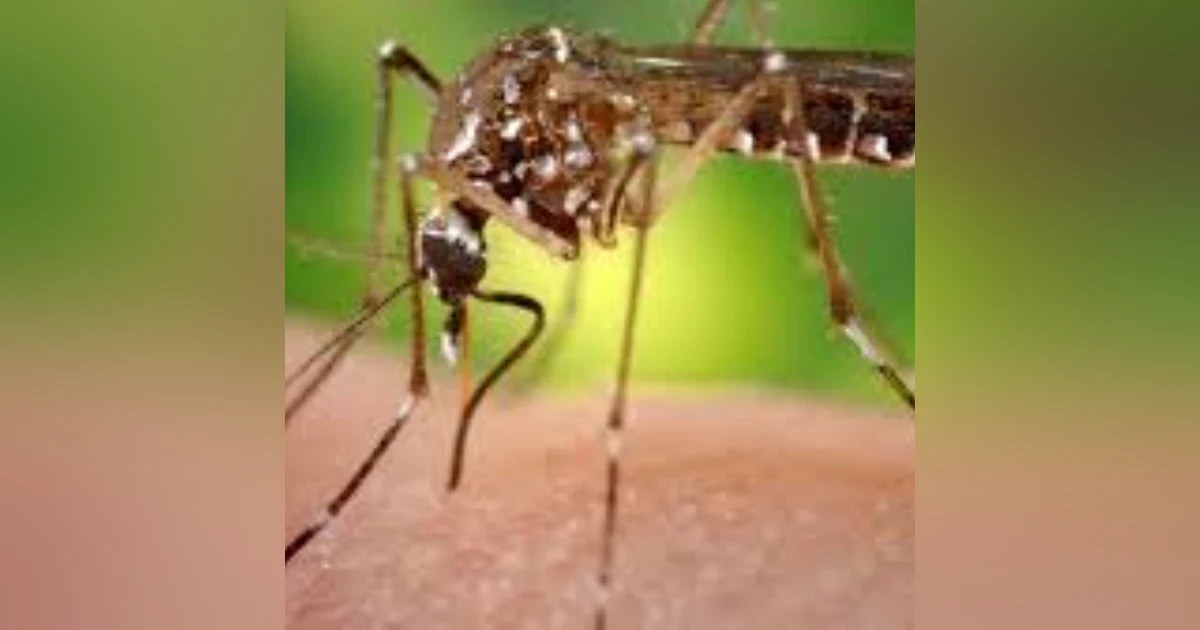
I’m often asked to talk about Global Warming, my answer to that is that I do. I talk about it in almost every 100 Seconds to Midnight episode. Global Warming either influences or affects just about everything that makes the clock tick down in one way...

 Apple Podcasts
 Spotify
 Spreaker
 Podchaser
 Castro
 RSS Feed
 Goodpods
 I’m often asked to talk about Global Warming, my answer to that is that I do. I talk about it in almost every 100 Seconds to Midnight episode. Global Warming either influences or affects just about everything that makes the clock tick down in one way or another. Today, I’m going to talk about global warming again. Specifically, how it affects infectious disease. It’s 90 seconds to midnight and across the world, the temperature is rising. Not only are old diseases rearing their heads, but new diseases are making their way into humanity. They’re coming with a vengeance, and we are not prepared. You can reach me on the website at http://www.causeofdeath100secs.net or you can email me at mailto:Jackie@causeofdeath100secs.net. My Link Tree can be found at: https://linktr.ee/CauseofDeathpod Global Warming and Disease Show Notes: https://www.cdc.gov/ncezid/what-we-do/climate-change-and-infectious-diseases/index.html#:~:text=As%20global%20temperatures%20rise%2C%20deadly,imported%20into%20the%20United%20States. https://pubmed.ncbi.nlm.nih.gov/8604175/ https://pubmed.ncbi.nlm.nih.gov/11019462/ https://pubmed.ncbi.nlm.nih.gov/21664978/ https://pubmed.ncbi.nlm.nih.gov/18819664/ https://pubmed.ncbi.nlm.nih.gov/18681214/ https://pubmed.ncbi.nlm.nih.gov/18681214/ https://pubmed.ncbi.nlm.nih.gov/18819677/ https://pubmed.ncbi.nlm.nih.gov/18819679/ https://pubmed.ncbi.nlm.nih.gov/18819675/ https://www.ncbi.nlm.nih.gov/pmc/articles/PMC6006314/ Anthrax Paper https://pubmed.ncbi.nlm.nih.gov/29915251/ https://pubmed.ncbi.nlm.nih.gov/19536444/ https://www.gavi.org/vaccineswork/deadly-diseases-are-spiking-because-climate-change?gclid=CjwKCAiA6byqBhAWEiwAnGCA4GDfVOv8Nmezp9yKc2fGvWZC85NXW3bB6Lv7QVpEmyQwDtCHOr5xEhoCixAQAvD_BwE https://meridian.allenpress.com/journal-of-parasitology/article-abstract/86/6/1174/5955/GLOBAL-CHANGE-AND-EMERGING-INFECTIOUS-DISEASES https://www.sciencedirect.com/science/article/abs/pii/S1433112804800056 https://www.ncbi.nlm.nih.gov/pmc/articles/PMC7127788/ https://www.ncbi.nlm.nih.gov/pmc/articles/PMC3766891/ https://www.nature.com/articles/d41586-022-02167-z https://www.nature.com/articles/s41579-021-00639-z https://www.cfr.org/article/perilous-pathogens-how-climate-change-increasing-threat-diseases https://idpjournal.biomedcentral.com/articles/10.1186/s40249-023-01102-2 https://yaleclimateconnections.org/2023/02/climate-change-is-increasing-the-risk-of-infectious-diseases-worldwide/ https://www.bmj.com/communicable-diseases https://www.thelancet.com/journals/lanmic/article/PIIS2666-5247(21)00220-2/fulltext
1
00:00:00.040 --> 00:00:03.439
Tired to the same old podcasts every
week. When you're ready for something different,
2
00:00:03.560 --> 00:00:07.559
come give us a shot. Greetings, We're Technically a Conversation, a
3
00:00:07.639 --> 00:00:12.439
podcast for curious people, by curious
people. Every week we take turns sharing
4
00:00:12.439 --> 00:00:15.880
a new topic and the other host
has no idea what the topic will be.
5
00:00:16.239 --> 00:00:19.960
Our topics are all over the place, from light and funny to dark
6
00:00:20.160 --> 00:00:25.039
and sometimes spooky. We've covered everything
from true crime, historical events and people,
7
00:00:25.320 --> 00:00:29.320
pop culture, icons, the supernatural
and occult I like that, and
8
00:00:29.440 --> 00:00:33.560
legends and folklore my favorite. We're
like the Dollar Tree stuff you should know,
9
00:00:34.079 --> 00:00:37.560
except completely different. No matter what
the topic is, we try to
10
00:00:37.560 --> 00:00:40.840
make the episodes funny. Yeah,
you may not want to advertise that our
11
00:00:40.920 --> 00:00:44.159
jokes aren't very good. What are
you talking about? My jokes are fantastic.
12
00:00:44.719 --> 00:00:47.560
Hey, I get paid to laugh
either way. Wait, you get
13
00:00:47.560 --> 00:00:51.399
paid. Check us out at Technically
a Conversation dot com, Apple Podcasts,
14
00:00:51.439 --> 00:00:55.280
Spotify, or wherever you get your
podcasts. Shout out to the eleven and
15
00:00:55.320 --> 00:00:58.679
a half people that listen to us
on Google Podcasts. Wait, you said
16
00:00:58.679 --> 00:01:03.920
you were getting paid. Hi guys, I'm Courtney and I'm Lisa and we
17
00:01:03.000 --> 00:01:07.000
are the hosts of the Book of
the Dead, a true crime podcast based
18
00:01:07.000 --> 00:01:12.319
out of New Jersey, where we
tell you about the most obscure cases that
19
00:01:12.439 --> 00:01:15.599
you may have never heard of.
So join us in the Book of the
20
00:01:15.640 --> 00:01:19.439
Dead Library for another chapter of the
Book of the Dead. Wherever you get
21
00:01:19.439 --> 00:01:26.079
your podcasts. Bye guys, dark
Cast Network, come on over to the
22
00:01:26.159 --> 00:01:29.599
dark Side. We're really nice people
once you get past the true crime and
23
00:01:29.680 --> 00:01:53.079
scary science. Hello, and welcome
to Cause of Death one hundred seconds to
24
00:01:53.159 --> 00:01:59.519
Midnight. I'm your host, Jackie
Morante. This is season seven. I
25
00:01:59.640 --> 00:02:02.719
call it Countdown, and it's a
look at why we've been sitting at ninety
26
00:02:02.760 --> 00:02:08.199
seconds to midnight since last January.
The new year is sneaking up on us,
27
00:02:08.280 --> 00:02:12.960
and the doomsday clock may or may
not change again in the third week
28
00:02:13.000 --> 00:02:17.280
of January twenty twenty four. The
announcement by the Board of Atomic Scientists is
29
00:02:17.400 --> 00:02:22.240
usually made around the twenty fourth of
the month, and it gives an in
30
00:02:22.280 --> 00:02:27.960
depth look at the temperature both physically
and politically around the world. While the
31
00:02:28.000 --> 00:02:32.759
Board addresses issues surrounding nuclear arms more
than they address climate change, that subject
32
00:02:32.800 --> 00:02:38.400
has been mentioned more than once.
I'm often asked to talk about global warming.
33
00:02:38.919 --> 00:02:44.360
My answer is that I do.
I talk about it in almost every
34
00:02:44.520 --> 00:02:50.919
one hundred seconds to Midnight episode.
Global warming either influences or effects just about
35
00:02:50.960 --> 00:02:54.840
everything that makes the clock tick down
in one way or another. Today,
36
00:02:54.840 --> 00:03:00.280
I'm going to talk about global warming
again, specifically how it is effects infectious
37
00:03:00.319 --> 00:03:06.960
disease. Since the COVID nineteen pandemic
began, there's been a lot of talk
38
00:03:07.039 --> 00:03:09.800
about what it is, where it
came from, and how to get rid
39
00:03:09.840 --> 00:03:14.719
of it or at least curb it. But I think we may need to
40
00:03:14.759 --> 00:03:19.879
go deeper into the jungle to talk
about emerging disease and how climate change will
41
00:03:19.919 --> 00:03:25.199
affect it. It's ninety seconds to
midnight, and across the world the temperature
42
00:03:25.319 --> 00:03:30.759
is rising. Not only our old
diseases rearing their heads, but new diseases
43
00:03:30.840 --> 00:03:36.800
are making their way into humanity.
They're coming with a vengeance, and we
44
00:03:37.039 --> 00:03:44.400
are not prepared. Before we get
started, I want to define climate change
45
00:03:44.439 --> 00:03:49.439
and talk a little bit about what
causes it. Climate change, according to
46
00:03:49.520 --> 00:03:54.280
the United Nations, climate action refers
to long term shifts in temperatures and weather
47
00:03:54.360 --> 00:04:00.360
patterns. Large volcanic eruptions and changes
in the activity of the sun can make
48
00:04:00.439 --> 00:04:05.759
this occur naturally, but the main
driver of climate change since the eighteen hundreds
49
00:04:05.840 --> 00:04:13.800
has been human activity. Greenhouse gases
like carbon dioxide and methane cause a barrier
50
00:04:13.919 --> 00:04:17.920
around the earth that traps the heat
of the sun and causes temperatures to rise.
51
00:04:18.959 --> 00:04:24.800
Gas and coal emissions caused by driving
cars and heating homes are the most
52
00:04:24.839 --> 00:04:30.399
common causes of carbon dioxide emissions,
but clearing land and deforestation can also release
53
00:04:30.439 --> 00:04:38.720
carbon dioxide. Agriculture and oil and
gas operations are the major causes of methane
54
00:04:38.759 --> 00:04:43.680
emissions. Now, I want to
stop right here and say that there is
55
00:04:43.839 --> 00:04:49.519
no immediate remedy to this. There
are currently no lasting solutions that are sustainable.
56
00:04:50.480 --> 00:04:55.560
I can't just stop driving my car
to work. I can stop making
57
00:04:55.600 --> 00:05:00.399
unnecessary trips and driving for fun,
but I still have to drive. People
58
00:05:00.439 --> 00:05:04.519
have to eat, and those who
raise our crops and animals for food can't
59
00:05:04.560 --> 00:05:10.920
just stop using diesel to do it. The transportation industry puts that food on
60
00:05:11.000 --> 00:05:16.759
our tables. So now you see
the dilemma. The solutions don't come easy.
61
00:05:17.720 --> 00:05:24.399
Now, let's talk about this seemingly
unsurmountable problem as it relates to infectious
62
00:05:24.439 --> 00:05:30.759
disease I'm going to mention several diseases
that I haven't talked about yet, but
63
00:05:30.839 --> 00:05:34.800
we'll get there, I promise.
There are several layers to this episode.
64
00:05:35.000 --> 00:05:40.720
Climate change affects our world in many
ways, and the ways that people respond
65
00:05:40.720 --> 00:05:45.079
to it are causing disease to spread
as much as the environment is contributing to
66
00:05:45.120 --> 00:05:50.160
the spread of disease. We've talked
about several of these things before. Severe
67
00:05:50.199 --> 00:05:55.519
weather, droughts, floods, and
the side effects of these things war,
68
00:05:55.879 --> 00:06:00.879
famine, and migration. These things
are known as global change, and they
69
00:06:00.920 --> 00:06:08.720
are the direct precursors to emerging diseases
caused by climate change. The Earth's temperature
70
00:06:08.839 --> 00:06:13.600
is predicted to rise one to three
and a half degrees celsius by the year
71
00:06:13.680 --> 00:06:18.240
twenty one hundred. This will increase
the likelihood of vector borne diseases in new
72
00:06:18.319 --> 00:06:24.639
areas. It will be evident mostly
in the extremes of the temperature ranges,
73
00:06:24.759 --> 00:06:29.920
with the low end lying between fourteen
and eighteen degrees celsius and the high end
74
00:06:30.079 --> 00:06:35.279
lying between thirty five to forty degrees
celsius. Mosquitoes, ticks, fleas,
75
00:06:35.360 --> 00:06:41.879
and other vectors have been reproducing and
spreading disease at greater rates due to early
76
00:06:41.920 --> 00:06:48.160
springs, milder winters, and generally
warmer temperatures. Their habitats are also expanding.
77
00:06:48.680 --> 00:06:54.079
Between two thousand and four and twenty
eighteen, the number of reported illnesses
78
00:06:54.079 --> 00:06:59.360
from mosquito, tick, and flea
bites more than doubled, with more than
79
00:06:59.480 --> 00:07:04.079
seven hundred and sixty thousand cases reported
in the US, and nine new diseases
80
00:07:04.160 --> 00:07:10.759
have either been discovered or introduced in
the US during this period. The geographic
81
00:07:10.879 --> 00:07:16.360
ranges where tick borne diseases such as
lime disease, anaplasmosis, electriosis, and
82
00:07:16.519 --> 00:07:25.480
ricossettiosis known as Rocky Mountain spotted fever
have expanded, They are expected to continue
83
00:07:25.519 --> 00:07:31.959
to expand into new regions, endangering
even more people. Mosquitoes are also reproducing
84
00:07:31.959 --> 00:07:38.120
at higher rates thanks to longer,
warmer summers. In twenty twelve, a
85
00:07:38.199 --> 00:07:42.639
mild winter, early spring, and
hot summer became the perfect storm for an
86
00:07:42.680 --> 00:07:47.319
outbreak of West Nile virus in the
US that resulted in fifty six hundred illnesses
87
00:07:47.879 --> 00:07:56.160
and two hundred and eighty six deaths. Mosquito born, parasitic and viral diseases
88
00:07:56.199 --> 00:08:01.879
are among those diseases that are most
sensitive to climate As more animals come into
89
00:08:01.920 --> 00:08:05.639
contacts with ticks and other vectors,
they will be more likely to spread disease
90
00:08:05.759 --> 00:08:13.000
and these diseases could spread to humans. Earlier in twenty twenty three, who
91
00:08:13.120 --> 00:08:18.879
warned that dengey and chikiunga are now
spreading far beyond their previous geographical zones of
92
00:08:18.920 --> 00:08:26.160
transmission. Now half of the world's
population is at risk of getting these diseases.
93
00:08:26.000 --> 00:08:31.799
Severe dengey can cause persistent vomiting,
bleeding gums, and severe abdominal pain.
94
00:08:33.679 --> 00:08:37.320
The mortality rate from dengay is very
high. If left untreated, the
95
00:08:37.360 --> 00:08:43.840
mortality rate is about thirteen percent.
In Bangladesh, more than two thousand cases
96
00:08:43.879 --> 00:08:50.639
of dengey are being reported every day. Dhaka has converted its dedicated COVID nineteen
97
00:08:50.879 --> 00:08:56.559
hospital into a dengae facility. In
Nepal, where dengey didn't exist until recently,
98
00:08:58.120 --> 00:09:03.279
climate change is causing more and more
cases of the disease. Winters have
99
00:09:03.360 --> 00:09:07.879
been increasingly warmer with less snow,
and the warmer temperatures mean that the anophales
100
00:09:09.000 --> 00:09:15.240
mosquitoes can inhabit the mountainous areas.
This is concerning for health experts because once
101
00:09:15.399 --> 00:09:20.799
dangae is seen in an area,
it means that Japanese encephalitis and malaria are
102
00:09:20.919 --> 00:09:26.519
not far behind. In a study
in Biology Letters earlier in twenty twenty three,
103
00:09:26.799 --> 00:09:31.879
researchers found that Enophales mosquitoes have expanded
their range by about six and a
104
00:09:31.919 --> 00:09:37.639
half meters per year and away from
the equator about four point seven kilometers every
105
00:09:37.720 --> 00:09:46.440
year for the past century. Anophales
mosquitoes carry malaria. This is a parasite
106
00:09:46.480 --> 00:09:52.559
that has been historically known for high
mortality and morbidity rates, especially in places
107
00:09:52.600 --> 00:09:58.120
where health infrastructure is lacking. Malaria
causes anemia and jaundice due to the loss
108
00:09:58.159 --> 00:10:03.039
of red blood set in the body. Treatment is available, but the disease
109
00:10:03.120 --> 00:10:09.879
needs to be treated early to avoid
any long term illness. Areas of the
110
00:10:09.879 --> 00:10:15.000
world where malaria didn't exist before will
be challenged with controlling a disease that is
111
00:10:15.279 --> 00:10:20.320
very easily spread, and since doctors
haven't seen it in those areas, it
112
00:10:20.360 --> 00:10:28.600
may be misdiagnosed. Another consideration of
human growth is urbanization. Disease spreads quickly
113
00:10:28.639 --> 00:10:35.480
in urbanized areas since there is more
human to human contact. This isn't something
114
00:10:35.519 --> 00:10:39.879
that's new. Places where people are
packed together will see higher incidences of disease,
115
00:10:41.399 --> 00:10:48.000
while places that are less urban will
see less. The eighties agypdi and
116
00:10:48.120 --> 00:10:54.080
eighties Alboppictus mosquitoes are well adapted to
urban areas. Population density appears to be
117
00:10:54.200 --> 00:11:00.519
correlated with the preference of the eighties
agypdi for human odor, Hence the evolution
118
00:11:00.639 --> 00:11:09.279
of human biting Mosquito bites cause malaria. Climate anomalies associated with al Nino southern
119
00:11:09.320 --> 00:11:16.559
oscillation phenomenon resulting in drought and floods
are expected to increase the frequency and intensity
120
00:11:16.639 --> 00:11:22.840
of vector borne diseases. These events
have been linked to outbreaks of malaria in
121
00:11:22.960 --> 00:11:28.080
Africa, Asia, and South America. Heavy rains create breeding grounds for vectors,
122
00:11:28.320 --> 00:11:35.080
drive vector carrying rodents from their burrows, and contaminate clean water systems.
123
00:11:35.840 --> 00:11:41.279
There is some debate amongst researchers as
to the true threat of emerging infectionous disease
124
00:11:41.440 --> 00:11:46.440
as it relates to climate change,
but I'll agree that climate change is causing
125
00:11:46.480 --> 00:11:52.360
side effects that are related to emerging
global diseases. War famine, migration,
126
00:11:52.720 --> 00:11:58.960
water shortages, catastrophic weather events,
milder winters and hotter summers are all contributed
127
00:12:00.320 --> 00:12:05.720
to emerging diseases, and all can
be directly related to climate change. Human
128
00:12:05.759 --> 00:12:13.399
susceptibility to various diseases may be compounded
by malnutrition due to climate stress on agriculture.
129
00:12:13.200 --> 00:12:18.519
The human immune system could also weaken
by an increased flux in ultraviolet radiation.
130
00:12:20.000 --> 00:12:26.919
The effects of disease will differ greatly
between countries that have developed health infrastructures
131
00:12:26.960 --> 00:12:33.120
and those that do not. Human
settlement patterns in different regions will also influence
132
00:12:33.200 --> 00:12:39.399
disease trends. There is a need
for more disease modeling of countries affected in
133
00:12:39.440 --> 00:12:46.519
populations and studies on geographical data to
help project the actual outcomes. Actually,
134
00:12:46.600 --> 00:12:54.480
there is a need for more disease
surveillance worldwide. Those areas with poor disease
135
00:12:54.559 --> 00:12:58.879
surveillance and where people don't report their
illnesses are more likely to suffer the con
136
00:13:00.000 --> 00:13:05.399
consequences when the outbreaks occur. If
epidemiologists don't know there's a problem, they
137
00:13:05.440 --> 00:13:09.240
can't do much to fix it.
Through research, we can find ways to
138
00:13:09.320 --> 00:13:15.559
mitigate the possibilities of pandemics related to
climate change, but that's a long way
139
00:13:15.720 --> 00:13:20.639
off. At this point, mitigation
hasn't been a realistic or popular thought.
140
00:13:20.639 --> 00:13:24.960
We must recognize when these things are
about to happen, so we can stop
141
00:13:26.000 --> 00:13:31.159
them before they start. Through field
and laboratory studies, the determination of developmental
142
00:13:31.240 --> 00:13:37.320
thresholds, tolerances and tipping points needs
to be established. Risk assessment and predictive
143
00:13:37.360 --> 00:13:43.600
modeling will be a big part of
major developments to stop trends using a full
144
00:13:43.720 --> 00:13:48.200
range of scenarios, but not every
scenario will be part of the prediction.
145
00:13:48.240 --> 00:13:56.120
Many things will slip through the cracks. Human migration due to collapsing infrastructure during
146
00:13:56.200 --> 00:14:00.320
weather events in other parts of the
world will also be a factor in running
147
00:14:00.360 --> 00:14:05.879
diseases like cholera. Recently, there
was a cholera outbreak in Europe because of
148
00:14:05.919 --> 00:14:11.399
a migration from Kenya, where a
severe weather event had taken place. It's
149
00:14:11.440 --> 00:14:15.960
important to keep in mind that there
will be several factors that are put into
150
00:14:15.960 --> 00:14:20.720
play when it comes to novelle diseases
and vectors finding their way into new geographical
151
00:14:20.799 --> 00:14:26.480
territories. Migration is only one of
them. Even now, the transport of
152
00:14:26.519 --> 00:14:33.039
food, goods and people across the
world exacerbates the likelihood of emerging diseases.
153
00:14:33.799 --> 00:14:37.559
We saw this with COVID nineteen.
Planes, trains, and automobiles took that
154
00:14:37.720 --> 00:14:43.320
disease from Wuhan everywhere else, and
by the time anyone thought to shut down
155
00:14:43.360 --> 00:14:48.399
travel, it was too late.
The part of this that will be affected
156
00:14:48.399 --> 00:14:54.440
by climate change is whether the diseases
will stick around. Will they be able
157
00:14:54.480 --> 00:14:58.639
to survive in climates that were once
too cold for them since those climates will
158
00:14:58.639 --> 00:15:07.120
be getting warmer. Climate change has
begun to manifest significant impact on terrestrial ecosystem
159
00:15:07.200 --> 00:15:15.080
structure, particularly in northern latitudes.
Soil composition, vegetation, cover and distribution
160
00:15:15.240 --> 00:15:20.360
of wild ruminant species, and the
density and movement of domestic livestock are all
161
00:15:20.440 --> 00:15:28.559
shifting as temperatures rise globally and extreme
weather events occur. This is causing new
162
00:15:28.679 --> 00:15:35.399
vulnerabilities that can alter transmission cycles between
hosts and pathogens. We're going to take
163
00:15:35.440 --> 00:15:39.000
a little break to hear from our
sponsors, then we'll be back to talk
164
00:15:39.000 --> 00:15:46.440
about anthrax. Have you been injured
in an accident recently? Are you thinking
165
00:15:46.480 --> 00:15:50.759
that maybe you should talk with a
lawyer to see if you could get compensation,
166
00:15:50.879 --> 00:15:56.720
Well, accident dot com is here
for you. Accident dot Com is
167
00:15:56.759 --> 00:16:03.000
inspired by their simple and important mission
to ensure that everyone in America gets fast
168
00:16:03.120 --> 00:16:07.279
and free access to legal advice and
pursues the claims they are entitled to.
169
00:16:08.519 --> 00:16:12.399
It's easy to get in touch with
the lawyer. Just go to the accident
170
00:16:12.480 --> 00:16:17.919
dot com website, fill out the
form with the case details, and the
171
00:16:18.039 --> 00:16:22.559
closest attorney to your location will reach
out to you and talk about your case.
172
00:16:22.639 --> 00:16:26.799
The consultation is free, so there's
no risk. If you have questions
173
00:16:26.840 --> 00:16:33.679
about personal injury, contact accident dot
com today and find out if you can
174
00:16:33.720 --> 00:16:40.360
be compensated. Anthrax is everywhere.
It lives in the ground. It rarely
175
00:16:40.399 --> 00:16:45.519
affects mammals, but it can be
deadly when it does as the earthworms.
176
00:16:45.639 --> 00:16:51.919
Anthrax can become more prevalent in places
that it hasn't been seen before, particularly
177
00:16:52.039 --> 00:16:56.720
in the temperate, boreal and Arctic
north, where global warming has taken its
178
00:16:56.759 --> 00:17:02.799
biggest toll on the environment. Livestock
dish distribution, ungulate biodiversity, and soil
179
00:17:02.879 --> 00:17:07.680
to water balance will also have an
impact on emergence. Anthracs can typically be
180
00:17:07.759 --> 00:17:14.160
found in North America, Eastern Europe, and Central Asia. Transmission is better
181
00:17:14.240 --> 00:17:18.920
controlled in more affluent countries and less
so in places where healthcare infrastructure is lacking.
182
00:17:22.079 --> 00:17:26.119
Grasslands in the semi arid step of
northern latitudes are in particular danger of
183
00:17:26.160 --> 00:17:33.400
becoming vulnerable to climate change. These
fragile systems are easily destroyed, and emerging
184
00:17:33.440 --> 00:17:38.799
diseases such as anthrax could become problematic
since these grasslands are important grazing zones for
185
00:17:38.960 --> 00:17:47.279
wild, ruminant and domestic livestock populations. Recently, there have been outbreaks of
186
00:17:47.319 --> 00:17:52.839
anthrax in the northern tundra biome of
the Russian Arctic, where the permafrost is
187
00:17:52.920 --> 00:18:00.440
melting. These outbreaks have devastated local
caribou herding communities. Temperatures in the Arctic
188
00:18:00.480 --> 00:18:04.799
Circle are rising about three times faster
than the rest of the world. Many
189
00:18:04.880 --> 00:18:11.519
ancient pathogens are lying in wait under
the melting permafrost. Permafrost is a preserver
190
00:18:11.720 --> 00:18:18.759
for those pathogens because there is no
oxygen and it's cold and dark. Bacteria,
191
00:18:18.920 --> 00:18:23.440
viruses, and fungi can survive after
being frozen for hundreds or even thousands
192
00:18:23.480 --> 00:18:30.799
of years under the permafrost. Recently, fragments of RNA from the nineteen eighteen
193
00:18:30.880 --> 00:18:34.960
Spanish flu virus were found in people
who had been buried in Alaska's hundred during
194
00:18:36.000 --> 00:18:41.160
the pandemic. In twenty sixteen,
a twelve year old child died and twenty
195
00:18:41.200 --> 00:18:45.039
people were infected with anthrax when the
body of a reindeer that had died of
196
00:18:45.079 --> 00:18:52.640
the disease seventy five years before was
exposed after a heat wave in Siberia melted
197
00:18:52.680 --> 00:18:59.119
the permafrost where it was buried.
Another team of researchers collected samples of the
198
00:18:59.160 --> 00:19:04.880
Earth's oldest glacial ice from fifty meters
below the surface into bet and uncovered twenty
199
00:19:06.039 --> 00:19:14.759
eight ancient viruses that were previously unknown. Air pollution could help viruses become airborne
200
00:19:14.799 --> 00:19:18.559
and more deadly. Particulate pollutions,
such as black carbons, sulfates, and
201
00:19:18.640 --> 00:19:25.279
nitrates, penetrate deep into the lungs, which creates serious health conditions on their
202
00:19:25.319 --> 00:19:32.039
own, but viruses could attach to
these particulates and travel deeper into the body.
203
00:19:32.240 --> 00:19:36.559
This, combined with the weakened immune
system caused by pollution, could help
204
00:19:36.640 --> 00:19:42.119
viruses spread more easily and become more
virulent. There will likely be an increase
205
00:19:42.119 --> 00:19:51.559
in allergenic diseases, complications in cardiovascular
disease, and respiratory diseases when we consider
206
00:19:51.720 --> 00:19:56.160
the effects of climate change. Water
Borne infections, food borne infections, and
207
00:19:56.279 --> 00:20:02.519
vector borne infections are of greatest concern. The atmosphere warms, food will spoil
208
00:20:02.599 --> 00:20:07.920
faster, and algal blooms will become
more prevalent. Fungi and love warm weather
209
00:20:08.079 --> 00:20:14.519
and climate change is allowing fungi to
migrate into areas where once it was too
210
00:20:14.640 --> 00:20:19.640
cold for them to survive. An
example of this is valley fever. Normally
211
00:20:19.680 --> 00:20:23.759
found in hot, dry areas,
it has recently been found in the Pacific
212
00:20:23.839 --> 00:20:32.359
Northwest. Valley fever causes severe infections
and is often misdiagnosed and improperly treated,
213
00:20:32.839 --> 00:20:38.400
leading to a very high mortality rate. As the difference between environmental temperature and
214
00:20:38.519 --> 00:20:45.960
human body temperature narrows, new fungal
diseases may emerge as new fungi adapt to
215
00:20:45.119 --> 00:20:52.319
surviving in humans. Climate change also
increases the risk of severe weather events like
216
00:20:52.400 --> 00:20:59.240
floods, which allows dangerous molds to
grow in people's homes. Changes in water
217
00:20:59.319 --> 00:21:03.720
temperature encourage the growth of harmful algal
blooms. These blooms look like scum,
218
00:21:03.920 --> 00:21:07.839
foam, paint, or mats on
the surface of the water and can be
219
00:21:07.880 --> 00:21:14.519
different colors. They can endanger human
health when we eat contaminated shellfish, but
220
00:21:14.559 --> 00:21:19.200
they can also harm pets, livestock, wildlife, and the environment. There
221
00:21:19.200 --> 00:21:23.519
have been warnings in several states about
not allowing your dogs to swim in or
222
00:21:23.599 --> 00:21:29.960
drink from lakes, rivers, and
ponds because of cyanobacteria. This is what
223
00:21:30.000 --> 00:21:36.160
they're talking about. In Season six, I talked a lot about how wildlife
224
00:21:36.200 --> 00:21:41.599
habitats are disappearing and animals are migrating
closer and closer to human habitats. As
225
00:21:41.640 --> 00:21:45.839
these animals search for new habitats,
there's a greater risk that people will come
226
00:21:45.880 --> 00:21:52.279
into contact with them. Rabies has
become a major concern since animals that carry
227
00:21:52.319 --> 00:21:57.759
that virus are moving into more heavily
populated areas. Alaska pox is carried by
228
00:21:57.920 --> 00:22:04.000
voles imperatures rise across Alaska, these
voles are migrating into more populated areas,
229
00:22:04.279 --> 00:22:08.519
giving rise to the concern that they
could spread the disease to people in those
230
00:22:08.559 --> 00:22:15.480
areas. Ebola, lasa rift,
valley fever, monkey pocks, and other
231
00:22:15.559 --> 00:22:19.240
diseases that are normally segregated to certain
parts of the world could begin to spread
232
00:22:19.279 --> 00:22:25.440
to other countries, including the US. Recently, we saw a monkey pock's
233
00:22:25.480 --> 00:22:30.519
outbreak that spread across the world in
no time at all. In Germany,
234
00:22:30.640 --> 00:22:37.079
hantavirus tickborn pathogens and waterborne pathogens are
a particular concern. Mild winters are good
235
00:22:37.119 --> 00:22:42.160
for rodents that carry hantavirus, allowing
them to breed more and survive longer outside
236
00:22:42.200 --> 00:22:48.799
of their burrows. Capelobacter is also
a concern in Germany as the earth worms.
237
00:22:48.559 --> 00:22:55.400
An outbreak of rodent born leptosporosis among
strawberry harvesters that was brought on by
238
00:22:55.440 --> 00:23:00.880
heavy rainfalls during harvest is an example
of how extreme weather conditions can affect disease
239
00:23:00.920 --> 00:23:07.160
occurrence. Germany is also susceptible to
disease imports, as people migrate to that
240
00:23:07.279 --> 00:23:11.559
country from places that become less habitable
due to the effects of global warming.
241
00:23:12.319 --> 00:23:17.440
In twenty twenty two, a review
of disease and climate change was written in
242
00:23:17.599 --> 00:23:22.799
Nature Climate Change. The article showed
that of three hundred and seventy five diseases
243
00:23:22.839 --> 00:23:26.480
that were studied, two hundred and
eighteen of them were made worse by climate
244
00:23:26.559 --> 00:23:33.599
change. Now, even if we
were able to begin the most forceful mitigation
245
00:23:33.759 --> 00:23:37.920
procedures, global warming can't be avoided
at this point. All we can do
246
00:23:37.960 --> 00:23:41.720
is adapt to it. In the
past, we've talked about those populations that
247
00:23:41.759 --> 00:23:45.519
are most vulnerable to disease the very
old, the very young, and those
248
00:23:45.519 --> 00:23:51.599
who are immunocompromised. This will be
no different. Those populations will be at
249
00:23:51.680 --> 00:24:00.160
higher risk of morbidity and mortality as
disease spreads. Vibriel vulnificus is a bacteria
250
00:24:00.240 --> 00:24:06.160
that causes flesh to necros It normally
lives in the sea or in brackish waters
251
00:24:06.160 --> 00:24:11.839
that remain warmer than twenty degrees celsius. It can cause vomiting and diarrhea,
252
00:24:11.039 --> 00:24:15.640
but if it infects a wound,
it can cause necrotizing fasciitis, where the
253
00:24:15.680 --> 00:24:22.039
bacterium eats the flesh around the wound. This can lead to amputation of a
254
00:24:22.119 --> 00:24:27.880
limb if left untreated. The mortality
rate for vivulnificus is one in five.
255
00:24:30.519 --> 00:24:37.759
Rising sea temperatures have caused an eightfold
increase in infections from vivulnificus between nineteen eighty
256
00:24:37.799 --> 00:24:44.720
eight and twenty eighteen on the East
coast of the US. Cholera has been
257
00:24:44.839 --> 00:24:48.720
endemic in several countries around the world
since Time Out of Mind. It's another
258
00:24:48.880 --> 00:24:56.640
vibrio disease, Vibrio cholera. It
causes a diarrheal infection and it's caused by
259
00:24:56.799 --> 00:25:03.599
drinking contaminated water or eating contaminated seed
food. Extreme weather events, such as
260
00:25:03.640 --> 00:25:08.359
floods in regions with inadequate water,
sanitation, and hygiene infrastructure can cause the
261
00:25:08.400 --> 00:25:15.039
perfect storm for a cholera outbreak.
Countries like Kenya are beginning to put more
262
00:25:15.079 --> 00:25:22.200
importance on surveillance and vaccine campaigns to
combat the disease. In recent decades,
263
00:25:22.240 --> 00:25:29.240
there has been repeated pathogen emergence from
animal reservoirs into human populations. Most recently
264
00:25:29.359 --> 00:25:34.319
we've experienced COVID nineteen. For a
pathogen to become a threat to human populations,
265
00:25:34.359 --> 00:25:38.640
the first thing that must happen is
that some unsuspecting human has to come
266
00:25:38.680 --> 00:25:45.920
in contact with the animal reservoir carrying
the disease. Then the pathogen either must
267
00:25:45.000 --> 00:25:52.440
have or have the ability to evolve
into human to human transmission. Lastly,
268
00:25:52.720 --> 00:25:57.680
the transmission must have the ability to
expand beyond the geographical range of the pathogen.
269
00:26:00.119 --> 00:26:04.880
Global changes enable these things to happen
in several ways. People are moving
270
00:26:04.920 --> 00:26:11.599
into regions that were previously unoccupied,
giving rise to more human and animal contact.
271
00:26:11.599 --> 00:26:18.599
Population growth and agricultural expansion, coupled
with increasing wealth and larger property sizes
272
00:26:18.759 --> 00:26:26.519
are driving factors for these interactions,
while also contributing to habitat destruction. In
273
00:26:26.599 --> 00:26:32.400
nineteen ninety nine, flying foxes caused
a severe outbreak of nepavirus when the pathogen
274
00:26:32.480 --> 00:26:40.440
jumped to pigs then subsequently to people. Global changes drove this outbreak in three
275
00:26:40.519 --> 00:26:45.200
ways. First was the expansion of
pig farms into the habitat of the flying
276
00:26:45.279 --> 00:26:51.680
fox. Next was the expansion of
pig farm operations, giving rise to more
277
00:26:51.759 --> 00:26:56.759
porcine hosts, and finally, global
trade when the meat became in high demand
278
00:26:56.880 --> 00:27:03.079
in Malaysia and Singapore. This example
doesn't only apply to the emergence of known
279
00:27:03.160 --> 00:27:07.759
pathogens. It could also give rise
to novel pathogens that we haven't even heard
280
00:27:07.799 --> 00:27:12.119
of yet. While this could become
a trend in crops, the expansion of
281
00:27:12.200 --> 00:27:18.839
animal products is of particular concern,
not only because we are moving into unknown
282
00:27:18.839 --> 00:27:25.160
habitats, but overuse of antibiotics and
meat animals opens the door for resistant bacteria
283
00:27:25.359 --> 00:27:30.720
to negatively affect human health. Vaccination, or the lack thereof, is also
284
00:27:30.839 --> 00:27:37.079
a factor in the spread of disease. When smallpox was eradicated, we stopped
285
00:27:37.200 --> 00:27:41.000
vaccinating against it, and this is
a known factor in the rise of monkey
286
00:27:41.039 --> 00:27:49.119
pox outbreaks that have happened recently.
Aging populations are also causing emergence. As
287
00:27:49.160 --> 00:27:53.720
people age, our immune systems become
weaker, and this could be an opportunity
288
00:27:53.799 --> 00:28:02.160
for novel diseases to spill over into
younger populations. Global change may also allow
289
00:28:02.400 --> 00:28:10.119
existing human pathogens to evolve novel characteristics
and expand in scope. Selection for drug
290
00:28:10.200 --> 00:28:18.680
resistance occurs worldwide, and antibiotic resistance
has and will evolve repeatedly. It's hard
291
00:28:18.680 --> 00:28:22.839
to tell what the endgame of this
will be. Some researchers don't think there
292
00:28:22.880 --> 00:28:27.480
will be any impact at all from
global warming. Others are looking at different
293
00:28:27.480 --> 00:28:33.119
ways that global warming could impact infectious
disease. We really don't know, but
294
00:28:33.200 --> 00:28:40.079
deforestation, loss of habitat, war, migration for resources, severe weather events,
295
00:28:40.119 --> 00:28:45.000
and other effects of climate change certainly
could help disease travel around the world.
296
00:28:45.279 --> 00:28:49.079
It's not just about a warming Earth, It's about the changes that take
297
00:28:49.160 --> 00:28:56.759
place as other places become inhabitable.
It's ninety seconds to midnight, and as
298
00:28:56.799 --> 00:29:03.000
global changes are taking place, health
is at risk from diseases that don't normally
299
00:29:03.079 --> 00:29:07.680
exist in certain regions, but could
there also be a risk from diseases that
300
00:29:07.720 --> 00:29:14.599
we don't know about yet. Certainly, thank you so much for listening to
301
00:29:14.680 --> 00:29:18.440
Cause of Death one hundred seconds to
midnight. I want to welcome my latest
302
00:29:18.440 --> 00:29:23.160
Patreon to the family. Welcome Rip
City Rachel. I'm so happy that you
303
00:29:23.319 --> 00:29:27.119
enjoy the show. I'm working on
catching up again. I know I just
304
00:29:27.160 --> 00:29:30.960
got caught up, but last week
I chose to trash a script on a
305
00:29:32.039 --> 00:29:36.440
subject that I'm going to possibly have
to make an entire season out of.
306
00:29:37.519 --> 00:29:41.039
It's an important topic, so I
don't want to skimp on it. That
307
00:29:41.200 --> 00:29:45.920
topic was the marginalization of populations.
It's coming, but I have to parse
308
00:29:45.960 --> 00:29:52.839
it out a bit better. There
is also going to be a subscriber only
309
00:29:52.920 --> 00:29:56.359
episode coming out this month, and
that will be on aspartame. That's one
310
00:29:56.359 --> 00:30:00.559
of my favorite subjects to talk about. You'll know drink dietisoda. Again.
311
00:30:02.279 --> 00:30:04.319
I really have no idea what I'm
going to talk about next time, so
312
00:30:04.440 --> 00:30:08.759
we'll all be surprised. I've got
so many things that I want to address
313
00:30:08.799 --> 00:30:12.799
this season. I can't make up
my mind. Thanks again for listening.
314
00:30:14.400 --> 00:30:18.240
You can contact me at Jackie at
Cause of Death one hundred sex net,
315
00:30:18.680 --> 00:30:23.559
or you can leave a message on
the website at www. Cause of Death
316
00:30:23.680 --> 00:30:29.960
one hundred sex dot net. I'm
also available on all the socials, so
317
00:30:30.119 --> 00:30:33.359
check out the show notes and catch
up with me there. You can find
318
00:30:33.359 --> 00:30:40.039
my Patreon page at Jackie Murante at
patreon dot com. Or you can also
319
00:30:40.119 --> 00:30:45.839
subscribe to the show on Apple subscriptions. Everyone gets ad free content, and
320
00:30:45.880 --> 00:30:49.720
if you subscribe at higher levels,
you also get bonus content and other stuff.
321
00:30:51.799 --> 00:30:56.400
Go sign up, it's for a
good cause. Don't forget to rate,
322
00:30:56.559 --> 00:31:00.960
review, and share these episodes.
Also get in there and subscribe on
323
00:31:00.039 --> 00:31:06.440
your favorite podcast player. My daughter
and I have a brand new podcast that
324
00:31:06.559 --> 00:31:11.559
dropped in October. It's called Diving
into Unsolved History. Once a month,
325
00:31:11.640 --> 00:31:15.839
we'll tell you a story about an
unsolved mystery of the past, then we'll
326
00:31:15.880 --> 00:31:19.839
try and figure out what happened.
The first episode was on the beel Ciphers.
327
00:31:21.200 --> 00:31:26.039
Go check it out. Also check
out the show notes for more information
328
00:31:26.119 --> 00:31:30.359
on climate change and infectious disease.
I'll see you in two weeks when I
329
00:31:30.440 --> 00:32:38.079
delve into another one hundred Seconds to
Midnight episode.

