S7 E1: 100 Seconds to Midnight: The Opioid Crisis

Resources: In the US: 1-800-662-4357 https://www.samhsa.gov/find-help/national-helpline https://www.hhs.gov/opioids/index.html International Helplines for Suicide Prevention and Drug Addiction: https://blog.opencounseling.com/suicide-hotlines/...

 Apple Podcasts

 Spotify

 Spreaker

 Podchaser

 Castro

 RSS Feed

 Goodpods
Resources: In the US: 1-800-662-4357 https://www.samhsa.gov/find-help/national-helpline https://www.hhs.gov/opioids/index.html International Helplines for Suicide Prevention and Drug Addiction: https://blog.opencounseling.com/suicide-hotlines/ https://www.smartrecoveryinternational.org/ It’s 90 seconds to midnight and people from every age group, every socioeconomic background, every geographic corner of the world are being sucked into the vortex of addiction. While I don’t condone the wholesale legalization of every drug available, I do condone decriminalization and treatment. The US has begun to move in that direction, but it moves slowly and contrary to popular belief, not all people are created equal. Drug treatment isn’t available to all. Marginalized communities, especially, people of color and the impoverished are left behind. Contact me at the website: http://www.causeofdeath100secs.net Check it out, leave a review, leave me a voicemail or an email. Look at the blog posts. Join my mailing list. There are so many ways to interact with me on that site that there’s no excuse not to! I also have a dedicated email for Cause of Death, you can reach me at mailto:jackie@causeofdeath100secs.net. Link Tree: https://www.linktr.ee.com/CauseofDeathpod Show Notes for the Opioid Crisis: Resources: In the US: https://www.samhsa.gov/find-help/national-helpline https://www.hhs.gov/opioids/index.html International Helplines for Suicide Prevention and Drug Addiction: https://blog.opencounseling.com/suicide-hotlines/ https://www.smartrecoveryinternational.org/ Notes for the episode: https://link.springer.com/article/10.1007/s11916-018-0670-z https://www.nber.org/papers/w28067 https://www.sciencedirect.com/science/article/abs/pii/S0025619617309230 https://www.britannica.com/topic/Opium-Wars https://history.state.gov/milestones/1830-1860/china-1 https://pubmed.ncbi.nlm.nih.gov/17152761/ https://museum.dea.gov/exhibits/online-exhibits/cannabis-coca-and-poppy-natures-addictive-plants/opium-poppy#:~:text=The%20earliest%20reference%20to%20opium,it%20on%20to%20the%20Egyptians. https://www.britannica.com/topic/drug-use/Hallucinogenic-drugs https://drugtimeline.ca/ https://www.banyantreatmentcenter.com/2020/12/11/history-of-drug-abuse-massachusetts/ https://medicine.yale.edu/news/yale-medicine-magazine/article/history-of-substance-abuse/ https://sbtreatment.com/addiction/ https://recoveryfirst.org/blog/about-addiction/world-history-of-drug-use/ https://evolvetreatment.com/blog/history-drug-use/ https://www.unodc.org/unodc/en/data-and-analysis/bulletin/bulletin_1953-01-01_2_page004.html https://www.infoplease.com/encyclopedia/medicine/diseases/pathology/drug-addiction-and-drug-abuse/history https://www.historydefined.net/drug-use-ww2/ https://www.smithsonianmag.com/history/inside-story-americas-19th-century-opiate-addiction-180967673/ https://pubmed.ncbi.nlm.nih.gov/17152761/ https://www.ojp.gov/pdffiles1/Digitization/141189NCJRS.pdf https://museum.dea.gov/exhibits/online-exhibits/cannabis-coca-and-poppy-natures-addictive-plants/opium-poppy#:~:text=The%20earliest%20reference%20to%20opium,it%20on%20to%20the%20Egyptians. https://open.lib.umn.edu/socialproblems/chapter/7-1-drug-use-in-history/ https://www.pbs.org/wgbh/pages/frontline/shows/drugs/buyers/socialhistory.html https://drugabuse.com/addiction/history-drug-abuse/ https://www.ncbi.nlm.nih.gov/pmc/articles/PMC3202501/ https://www.jimmycarterlibrary.gov/sites/default/files/pdf_documents/digital_library/campaign/564806/82/76C_564806_82_03.pdf https://jamesclear.com/heroin-habits https://www.nytimes.com/1971/05/16/archives/gi-heroin-addiction-epidemic-in-vietnam-gi-heroin-addiction-is.html https://prhome.defense.gov/Portals/52/Documents/RFM/Readiness/DDRP/docs/35%20Final%20Report.%20The%20Vietnam%20drug%20user%20returns.pdf https://www.history.com/news/drug-use-in-vietnam https://www.statnews.com/2021/07/19/lessons-learned-and-lost-vietnam-era-addiction-study/ https://ajph.aphapublications.org/doi/pdf/10.2105/AJPH.64.12_Suppl.38 https://pubmed.ncbi.nlm.nih.gov/1032764/ https://journals.sagepub.com/doi/10.1177/20503245211034934 https://www.ncbi.nlm.nih.gov/pmc/articles/PMC2622774/ https://www.justice.gov/archive/ndic/pubs/651/backgrnd.htm https://www.who.int/teams/mental-health-and-substance-use/alcohol-drugs-and-addictive-behaviours/drugs-psychoactive/cannabis https://www.ncbi.nlm.nih.gov/books/NBK232965/ https://civilrights.org/blog/americas-war-on-drugs-50-years-later/ https://www.thelancet.com/journals/lanam/article/PIIS2667-193X(23)00131-X/fulltext https://www.ncbi.nlm.nih.gov/books/NBK553166/ https://www.ncbi.nlm.nih.gov/books/NBK448203/ https://www.dhs.wisconsin.gov/opioids/facts.htm#:~:text=Fentanyl%3A%20Fentanyl%20is%20a%20very,patch%2C%20or%20as%20an%20injection. https://www.ice.gov/features/opioid-crisis https://www.who.int/news-room/fact-sheets/detail/opioid-overdose https://www.usda.gov/topics/opioids https://today.yougov.com/health/articles/42574-blame-opioid-epidemic-pharmaceutical-companies?redirect_from=%2Ftopics%2Fhealth%2Farticles-reports%2F2022%2F05%2F18%2Fblame-opioid-epidemic-pharmaceutical-companies
0:00 I'm Jackie and I'm Jessica, and together we're a mom daughter team exploring the strangest mysteries that history has to offer. On Diving into Unsolved History, we'll talk about shipwrecks, people who have disappeared, strange deaths, and even buried treasure. We probably won't get answers to any of these things, but we'll have fun talking about it. There's no true crime and no paranormal, just some great historical mysteries. We'll do some deep dives into things like Thomas Beale Cipher's the diet Love Incident, the Mary Celeste mystery, and the Alien Moore disappearance. Every month we'll bring you one story from the pages of history that will leave you scratching your head. Come join us as we take some really deep dives into unsolved history. Diving into Unsolved History will be available beginning in October twenty twenty three wherever you get your podcasts. And The Farious Nightmare is a true crime podcast focusing on lesser known crimes and crimes against those deemed extra vulnerable. Every now and then we cover more well known crimes due to the fact that it is relevant or even interesting regarding the cases we cover, and the bee is a symbol for all victims as we recognize their strength, resilience, and vulnerability. So join us. You can find us on Apple Podcasts, Spotify, or just about any podcast platform. Remember, when you mess
1:34 with the bees, you get the Hive Dark Cast Network. Come on over to the dark Side. We're really nice people once you get past the true crime and scary science. Hello and welcome to Cause of Death one hundred seconds to Midnight. I'm your host, Jackie Morante. Today we start seeon than seven. This season is called Countdown and it's going to be a rough one. Carol, one of my loyal listeners, requested a whole season of one hundred seconds to midnight episodes. So this season is dedicated to the things that the human race has done and continues to do to destroy itself. It's ninety seconds to midnight and people from every age group, every socioeconomic background, every geographical corner of the world are being sucked into the vortex of addiction. If you or someone you know is struggling with addiction, please call the Substance Abuse Mental Health Services Administration Hotline at one eight hundred six six' two four three five seven. Help is available, and there is hope. Drug addiction is currently one of the top health crises, not only in the US but around the world. It affects everyone, whether they are personally addicted or not.
3:02 It affects our workplaces, our commutes, and our social lives through people that we barely know or don't know at all. But more importantly, it affects the lives of our families, our children, our parents, and sometimes it affects generations of families. Addiction spins lives out of control, especially for the people suffering from it. They give up everything for one more drink, one more pill, one more high. Sometimes they give their lives to their addiction. People can get addicted to anything, but in this episode, I'm going to focus on drug addiction as it relates to the opioid crisis. It's an issue that's not well understood and certainly not easy to overcome. Opioids bind to the body's opioid receptors. These are found in the areas of the brain that control pain and emotions. After taking opioids regularly, the brain adapts to the drug and sensitivity is diminished. Addiction occurs when the person taking the drug fails to feel pleasure from anything else. The drug is the only thing that makes them feel anything. As I mentioned, the opioid crisis is not confined only to the United States, but I'm going to start this episode in the US.
4:24 In twenty fifteen, fifty two thousand Americans died of drug overdoses. Thirty thousand of those deaths could be contributed to opioid drugs. Most of these addictions began with prescription medications that were intended to relieve chronic pain. In up to fifty percent of cases, postoperative chronic pain begins the journey to drug addiction. Several factors came together to create this crisis. Drugs that were inappropriately or over prescribed, and the lack of knowledge as it pertains to the potential adverse effects of long term drug thereaty therapy are certainly contributors to the current crisis. But we also have to be honest about addiction. We have to consider the addicts themselves. Opioid misuse, abuse, and dependence are the elephants in the room.
5:15 And while I don't intend to cast blame upon anyone suffering from addiction, I believe that those who are suffering from addiction need to be accountable for their own actions. Honestly, the first step to solving any problem in your life is omitting that you have a problem in the first place. I encourage anyone listening. If you have a problem with addiction, please seek help. You can break through this. The opioid crisis evolved in three phases, first beginning in the nineteen nineties and continuing through twenty ten, when pharmaceutical companies began huge marketing campaigns for opioids and lax regulations by the FDA allowed irresponsible and often unchecked distribution by prescription. Most of us remember those days. If you went to your doctor with anything from a hangnail to an accidental amputation, he prescribed vicodin with refills. From twenty ten to twenty thirteen, the government read the FDA, decided that there was a problem, and the second phase of the crisis came into play. The FDA cracked down on physicians who were over prescribing opioids to patients. Some of those drugs were reformulated to become less addictive, and heroin use became more widespread. We are now in the third phase of the crisis. This phase is seeing movement towards synthetic opioids like fentanyl and more recently,
6:45 tranquilizers like xylazine. The continued tightening of regulation on prescription opioids is on one side of the crisis, while the other side is the attempt to mitigate the problem through the growth of heart reduction and better policies surrounding access to addiction treatment. While treatment is becoming more readily available, it's not available for everyone. Often, drug rehabilitation is costly, and not everyone can check out of their job or their life for a month or two so that they can receive treatment. The stigma that attics face becomes a hurdle that is sometimes insurmountable.
7:26 Judgment from others is a powerful thing, even when it comes from total strangers. Those who feel they can't fight the monsters will be even less able to do so when they're being diminished or dismissed. That stigma is probably the hardest thing to overcome for those who seek treatment. It drives people into hiding rather than allowing them to feel as though they have support. In twenty eighteen, the total cost associated with opioid misuse and addiction was estimated to be upwards of five hundred billion dollars annually. Very little of that was attributed to treatment and rehabilitation. The side effects of the opioid crisis are expensive death, job loss, homelessness, long term illness, criminal activity, and the clean up efforts and parks and other public places. While it may be better to redirect more of the five hundred billion into rehabilitation programs that allow patients to remain at work and with their families, bureaucracy gets in the way. The third phase of the crisis is based in illegal drugs, where supply and demand are the drivers of the crisis. It's this phase that threatens communities all over the globe.
8:43 To completely understand this crisis, we have to look back into history. Addiction is a systemic problem. It didn't start in the nineties, and it didn't start with pharmaceutical companies. It began with poppies. The earliest reference to opium use came from Mesopotamia in southwest Asia around thirty four hundred BC. The Sumerians referred to the poppy as Hugil, the joy plant. The Sumerians introduced it to the Assyrians, and they passed it along to the Egyptians. The demand across the Silk Road increased, and many countries began to grow and process it.
9:24 Increased availability through cultivation, spread across the Mediterranean, through Asia, and finally to China. The Silk Road was a series of interconnected trade routes that connected Europe and China. These trade routes developed between the empires of Persia and Syria and the Indian kingdoms in the east. By the late Middle Ages, the routes extended from Italy to the west, to China in the east and Scandinavia in the north. Many things were traded along the Silk Road, food, textiles, people, and opium. The Opium Wars occurred in the mid nineteenth century. The first lasted from eighteen thirty nine to eighteen forty two, and the second from eighteen fifty six to eighteen sixty. These conflicts were rooted in the trade imbalance between China and Britain and the detrimental impact of opium on Chinese society. Before the conflicts began, Britain through the East India Company was smuggling vast quantities of opium into China. This led to widespread addiction and social breakdown. The Chinese government recognizing the destructive nature of the drug, attempted to crack down on its importation and use. The Chinese began to seize and destroy stockpiles of opium that were stored on ships and in warehouses. In response, the British government launched military expeditions to protect their economic interests and to force China
10:58 to open its ports for trade. The British had superior naval and military technology, and the Chinese military was no match for them. China was defeated in the First Opium War, and this resulted in the signing of the Treaty of Nanking in eighteen forty two. Under this treaty, China was forced to seed territories, pay indemnities, grant extra territorial rights to foreign nationals, and opens several ports for trade. The Second Opium War was largely provoked by the Chinese government seizure of a British registered ship. This conflict ended with the Treaty of Tiansen in eighteen fifty eight. This treaty forced China to legalize the opium trade and give even more power to foreign nationals in China. These wars serve as a reminder of the destructive power imbalances that can result when global trade meets imperialistic ambitions. The Opium Wars remain a symbol of China's struggle for self determination and sovereignty in the face of foreign exploitation. As opium moved around the world legally and illegally, it spread addiction with it. During the American Revolution, both the Continental and British armies used opium to treat sick and wounded patients. Benjamin Franklin took opium to relieve the pain from bladderstones after his final duel with Aaron
12:33 Burr. Alexander Hamilton was prescribed opium for the wounds he sustained. The Civil War was the catalyst for the opium epidemic in the US, though ten million opium pills and over two point eight million ounces of opium powders and tinctures were issued to treat the Union army. Because of this, many soldiers on both sides came home addicted. Those that didn't already have addiction would at some point go to a doctor who would prescribe opium for pain or illness. After the hypodermic syringe was introduced to the US in eighteen fifty, six, it became easier for doctors to dose patients and so much easier for patients to become addicted.
13:18 Morphine was derived from opium in Germany in the eighteen seventies, and this created more addiction. In his book Dark Paradise, David T. Cortwright wrote, quote, though it could cure little, it could relieve anything. Doctors and patients alike were tempted to overuse end quote. According to a survey of drug stores taken in eighteen eighty eight, opiates made up fifteen percent of all prescriptions dispensed in Boston. Women were particularly vulnerable to falling into the trap of addiction. Most doctors at the time were male and would prescribe opium for female complaints, everything from menstrual crabs to diseases of a nervous character to God forbid mourning sickness was treated with laudanum, a tincture that combined alcohol and opium.
14:20 The late eighteen hundred saw more than sixty percent of women addicted to opium. In his book The Opium Habit and Alcoholism, published in eighteen eighty one, doctor Frederick Heman Hubbard wrote, quote, Uterine and ovarian complication caused more ladies to fall into the opium habit than all other diseases combined. End quote tinctures such as laudanum and other opiate concoctions were sold over the counter. It was used for any ailment, including teething in babies and coughs from colds in children. Then there was a the turnaround. The eighteen seventies and eighties saw many medical journals with articles warning physicians about the dangers of opium addiction and use, but doctors of the time were slow in response. They weren't well trained, and they had precious few alternatives. Wealthy patients would demand opiates. Competition from other physicians and pharmacies who were willing to take their money and give them the drugs put pressure on those physicians who were trying to steer away from prescribing them.
15:31 At the end of the nineteenth century, through several scientific discoveries, the tide turned again away from opium use. Acceptance of the germ theory of disease, vaccines, X rays, and the introduction of different pain relievers such as aspirin began to change both doctors and patients thinking on opiates. Better sanitation meant fewer patients turning to opiates for their constipating and pain relieving effects because less people were getting dysentery. Medical journals of the time announced to physicians, quote doctors who resort too quickly to the needle are lazy, They're incompetent, they're poorly trained. There behind the times end quote. Between eighteen ninety five and nineteen fifteen, many states prohibited the sale of opiates without a valid prescription. No more OTC morphine, And just as that epidemic was ending, a new epidemic started. Between the eighteen seventies and the nineteen tens, opium dens started propping up. Chinese immigrants had brought opium with them and were setting up shop, usually in Chinese laundries. A quote from an opium smoker in eighteen eighty three, recorded in Dark Paradise said quote, it's a poor town nowadays that has not a Chinese laundry, and nearly every one of these has its layoutte.
17:07 This was referring to the accessories that are needed to smoke opium. During the nineteen tens, heroin was introduced to the US, an underworld crime was running the market. Opium was still legal at the time, but there was always a new element selling it, and the face of addiction had changed. Now teenagers were openly snorting heroin on street corners to feed their habits. They formed gangs and committed crimes like burglary and per snatching. Often muggings would turn violent, whether the victims surrendered their valuables or not. As the federal government started looking toward acquiring territories in the Pacific, particularly the Philippines, they began to consider banning opium use. The opium trade in the Philippines was of grave concern to the US government, thus spurrying President Theodore Roosevelt to call for an International Opium Commission to meet in Shanghai. He was urged to call the meeting by American missionaries who were stationed in that region. This led to a ban on opium in the US. After all, the government couldn't ban opium in a territory without doing something about rampant abuse at home. Secretary of State Iliu Root submitted a draft bill to Congress that prohibited the import of opium prepared for smoking.
18:33 The punishment for this crime was up to two years in prison. The bill was skewed though smoking opium was mostly associated with Chinese nationals, gamblers, and sex workers who were severely marginalized across the US, and these people became the targets of the bill. Even though there were plenty of affluent white people using opium, they just weren't hanging out in opium dens. This lat passed on February of nineteen oh nine, but all it did was limit the supply and drive prices up. One addict who was interviewed for a study at that time was quoted in Carolyn gene Acker's book Creating the American Junkie Addiction Research in the classic era of narcotic control, quote, the price of a can of hop jumped from four dollars to fifty dollars end quote that pushed addicts to seek out more potent opiates. Morphine and heroin became the flavor of the day.
19:34 By nineteen fourteen, many doctors were again prescribing opium, but this time with better intention. They were using it as a way to help the addicted. They found that with long term maintenance, an addict could maintain a purposeful life, and sometimes they could be weaned off the drugs altogether. The Harrison Narcotic Act of nineteen four team killed that idea. What began as a regulation of medical opium became an almost total prohibition. The aim was to stop doctors who were helping addicts maintain, but by nineteen nineteen several clinics had opened up across the nation to address the problem in a more hospital like atmosphere. After all, doctors weren't allowed to treat addicts in their offices, but if the attics were patients in a hospital, well, and some of these clinics produced excellent results. Many patients were returning to productive lives while receiving treatment, and several had kicked the addiction altogether. These were the precursors to the rehab clinics that are open today. The government wasn't happy with that, though. The Treasury Department's Narcotic Division had forced these clinics to close one by one, and by nineteen twenty one they were all gone. During World War II, drug use had become rampant among the military men. Some turned to drugs to escape the
21:07 horrors that they were experiencing. Others used them to become fiercer on the battlefield. Many soldiers were thrust into battles that could last days without rest. Drugs were given to them not only to help them cope with the stress, but to improve their performance. The government was developing these drugs for that purpose. Amphetamines were specifically designed to keep soldiers awake and alert. They were called go pills. Methamphetamines were also created during World War II. While used to keep soldiers awake, they soon found their way into the civilian population and many became addicted. During World War II, the greatest impact of drug use was felt in Japan. The Japanese government gave their soldiers meth to give them an edge over their enemies, but it became almost a patriotic duty for factory workers to take it. Companies would distribute it to workers so they could work longer hours and produce more goods. After the war, people continued to take meth, many became addicted. A massive stockpile flooded back into the market after the war, and meth began to fuel the black market, and because it was so easy to get and it was cheap, teenagers became addicted to the drug.
22:30 Pervetin was the first mass produced meth amphetamine. It became widely available to the German army in nineteen thirty eight. Temler, the drugs manufacturer, saw great potential for the drug. In wartime. Soldiers who took it could stay awake for days and march continuously without rest. Hitler was determined to win the war despite being poorly armed. Pervetin was his ace in the hole. It's rumored that the Blitzkrieg was fueled by pervetin. Oxycodone was derived by German researchers in nineteen sixteen from opium derived theben Hitler would often mix heroin and cocaine, then when he couldn't sleep as doctors would give him oxycodone. His doctors administered the drugs intravenously on a schedule. He received his morning dose of vitamins, then in the afternoon he received a dose of heroin and cocaine, and in the evening he got oxycodone. He was high all the time. American and British forces also supplied their troops with meth. After the war, many soldiers came home with addiction issues. The surplus of the drugs that were given to them overseas was funneled back into the black market. An addiction became widespread among former military and civilians during the Vietnam War, drug use was widespread. When the
24:00 war began, marijuana was readily available in Vietnam, and it was the drug of choice for many soldiers fighting there. But when the Vietnamese government started to crack down on marijuana use, soldiers turned to heroin to ease the pain of the war and help them cope. Soon, these same soldiers became addicted to opium and morphine. These men came home addicted to drugs, and the backlash from anti war protests and the terrible way they were treated when they returned home only fueled the fire. Vietnam was the first conflict that saw soldiers come home to malice rather than welcomes, and when they returned they had a hard time returning to their communities. This gave rise to more and more drug abuse.
24:47 There were rehabilitation centers run by the VIA, but the VIA is often slow and many times these men didn't get the treatment that they needed or deserved to help them recover. Going with the history of opioid use, but I just wanted to give you a short background on it so that you could understand two things. The first one being that opioid use is not new. The world has been dosing people since the beginning of time. This is important to remember because we all need to realize that addiction is systemic. The second reason is that I wanted you to understand that addiction is not a simple problem. Like so many things I talk about. It's complicated and there are no easy solutions.
25:36 The pharmaceutical companies did not intend to create the most prolific health crisis worldwide. Their intention was to find drugs that could relieve chronic pain. But the road to hell was paved with good intentions. The demand for pain relievers spurred Purdue Pharmaceuticals to take the genie off the shelf and rub the lamp. A generic form of oxycodone hydrochloride was approved for use by the FDA in nineteen ninety five and patented a year later. Soon, Perdue began marketing the drug heavily to doctors who saw it as a miracle drug for people with chronic pain.
26:18 This marketing campaign used data that told Perdue where they could find doctors who would be receptive to prescribing OxyContin to patients. Sales representatives would seek out doctors who prescribed opioids regularly, and they were the main targets for the campaign in the beginning, but soon most doctors were over prescribing opioids, and not just OxyContin either. Oxycodone, hydrocodone, and codeine were also flying off the shelves. Soon patients began asking for opioids, then they started demanding them. Doctors were doling them out to anyone with even the smallest alements. Any awi and you could get a thirty day supply with refills just in case. Sales grew from eight million dollars in nineteen ninety six to almost one point one billion dollars in two thousand and By two thousand and four, oxyconton had become the most abused drug in the US. In nineteen ninety eight, Perdue distributed fifteen thousand copies of a video that sung the praises of oxyconton to physicians. This video was never submitted to the FDA for review. Perdue later said that this was an oversight on their part, but to be fair, the FDA never asked about it either. In two thousand and one, they submitted a different version of the video to the FDA, but the FDA didn't review the video until a
27:51 year later, and that was only after the General Accounting Office asked about it. They wanted to know the content of the VI. After review, the FDA concluded that the video stated that the risks were minimal and the reward was great. At least according to Purdue. Labeling on the drug was a bit shady too. In nineteen ninety six, the FDA approved the drugs since the label said that aatrogenic addiction was very rare if it was taken as prescribed for pain management. In two thousand and one, the labeling changed. That label was modified to read that data was not available for getting a true read on the incidents of addiction in patience. Long story short, the FDA dropped the ball when it came to Oxyconton. There was no formal audit of Purdue or Oxyconton. After the FDA picked the ball back up and started cracking down on bogus prescriptions, those who had become addicted and those newcomers seeking the high or getting it on the streets, and they still are many see doctors at pain clinics, but most of these doctors are not legit. They may be unlicensed, or they may be just unethical. They may be just guys pushing illegal oxy that they were getting from other unethical employees of the same pharmaceutical company.
29:26 Some abusers get it from friends or relatives with legitimate prescriptions. Others are getting it from street dealers who have chemists working in clandestine labs. These chemists are using recipes that they got god knows where, and they often don't follow those recipes very well. When you add all of this to the other drugs being imported from all over the world that are available on the streets, it's not surprising that more and more people are becoming addicted to drugs. The thing that surprised me was that attics are getting younger and they're living outside of urban areas.
30:06 The death rate from opioid overdose in people eighteen to twenty five has risen twenty five percent over the last ten years. Seventy five percent of attics who sought treatment were from suburban or rural areas. We're going to take a quick break to hear from our sponsors, then come back to see how other countries are dealing with the opioid crisis. While the opioid crisis is more prevalent in the US. Other countries are also facing high rates of opioid abuse and addiction. During the late nineteen nineties, Portugal was experiencing an unprecedented addiction problem. Heroin had become so prevalent that out of the ten million people who lived there, everyone was either addicted to heroin or knew someone who was. This epidemic stemmed from the end of the dictatorship of the Second Republic. The Second Republic was an authoritarian regime that believed in extreme conservative government. From nineteen thirty three to nineteen seventy four, the Portuguese people were essentially closed off from the rest of the world. They had no social liberties. When that ended, they were very naive about drugs. The government that followed gave the Portuguese new freedom, and the citizens began to indulge in whatever came their way. Soldiers returning from African colonies brought home marijuana, and the black market stepped in and brought heroin and cocaine. By the nineties, addiction had become a top priority when
31:41 it came to public health. In nineteen ninety eight, the government created a task force to deal with the epidemic. They brought together doctors, judges and mental and social health care workers. This team came up with a plan. They decriminalized all drugs, and they created new policies and programs to treat addicts and prepare them to re enter society. The laws changed in two thousand and one. After that, when someone was caught with a small amount of any drug, they were put before a panel that was made up of a psychologist, a social worker, and a legal adviser. This panel would then create a treatment plan for the accused. This person was able to refuse treatment or accept the panel's treatment plan. Either way, they weren't going to go to jail. After all. Addiction is an illness that needs to be treated, and prison doesn't cure anything. Without the threat of prison hanging over their heads, more and more addicts began to seek treatment. By two thousand and nine, illegal drug use by teenagers had dropped, as had rates of HIV infections.
32:53 More astoundingly, the number of people who sought treatment for addiction more than doubled. What was a plan based on hope had far exceeded the expectations of the Task Force. Since then, several other European countries have opened heroin clinics where the severely addicted can go to get safely dosed in an effort to wean them off of the drug. Methadone is also available, but many times the very severely addicted don't respond to it. In these countries, the conversation is changing. Drug abuse is seen as an illness, not a criminal activity, and the treatments are more available. Drug wars rage in Central and South America to see who can take over the American drug market. It's a competitive business and a very lucrative one sixteen million people worldwide either have had or currently suffer from opioid addiction. Of those, three million reside in the United States.
34:00 Tells have a wide range of targets to choose from when it comes to the manufacturing and distribution of opioids and the manufacture of illicit drugs has seen more and more additions to the recipes. The goal is to create a better high, cheaper During the last ten years, fetanyl has been added to the menu. Fetanyl is an FDA approved drug that's used for pain related to surgery. It's usually a part of the anesthetic given during surgery. It's a synthetic drug that has appeared in street drugs, either as an addition to other opioids or as a standalone drug. Vetanyl is cheaper to make, and mixing and matching it with other opioids gives drug dealers the opportunity for higher profits. It's important to remember that, no matter where you stand on to criminalization or legalization, street dealers, illicit manufacturers, and cartels don't care whether their customers experience a greater high. They're not going to show up at an abuser's funeral and tell everyone what a great guy he was. They're more like knockoff department stores, only interested in profit, and if one attic dies from an overdose, there are three million more to take his place, so they will do whatever it takes to manufacture their wares as cheaply and efficiently as they can. Fentanyl is fifty to two hundred times more potent than morphine, and a little bit goes a
35:30 long way when it comes to overdose. In the last ten years, it has contributed to a rise in overdose deaths in the US, according to a DEA report published in January of twenty twenty three. From April of two thousand and five to March of two thousand and seven, the DEA surveillance system reported oneenty thirteen confirmed deaths from non pharmaceutical fentanyl related use. Most of these deaths occurred in Delaware, Illinois, Maryland, Michigan, Missouri, New Jersey, and Pennsylvania. The DEA took immediate action to control the contributing substances used to make illegal fentanyl. This resulted in a decline in deaths, but that decline was small. Just because the US is controlling the contributing substances to make fentanyl doesn't mean that other countries are, and clandestine labs exist in other countries, including Mexico. In the last two years, there have been record breaking seizures of fetanyl by law enforcement throughout the US, especially along the border. San Diego has become an epicenter for the trafficking of fentanyl. It's also coming across land into Arizona, New Mexico, and Texas. Stories of children dying of fentanyl overdoses aren't uncommon in the border states. Toddlers who find the drugs on
37:04 a kitchen table and think it's candy, infants who are exposed by parents who are careless. These kids turn into collateral damage in a world where no one is around to protect them. The loxone can treat fetanyl overdose. Fetanyl is a synthetic opioid, but it still works the same as other opioids. In some states, theloxone or narcan is sold over the counter. Community based distribution groups give it out, as do local public health groups. Often those groups will give it out free of charge. If you know someone who struggles with addiction, it might be good to keep it on hand. Narcan has saved many lives. Xylazine is a relative newcomer to the drug world. Xylazine is used as a tranquilizer for large animals. Generally, it's given just before a surgical procedure. Xylazine is currently being procured illegally and added to fentanyl. Originally, xylazine was being added to fentanyl as a way to make fentanyl cheaper.
38:15 Xylazine added weight After adding fetanyl to other opioids, many people became addicted to fentanyl and began using it instead of mixing it with other drugs. This made the demand for fentanyl go up and prices for it rose. Xylazine as an additive made fentanyl cheaper. Between twenty twenty and twenty twenty one samples from eight syringe service programs were tested, and xylazine was found mixed with fentanyl in eighty percent of those samples. In Philadelphia, xylazine was found to be a factor in thirty one percent of overdose deaths. While xylazine is often mixed with OPIOIDSLI belongs to a different class of drug. It's a tranquilizer, so narcan won't work for xylazine overdose. It may reverse the effects of the opioid, but it won't reverse the effects of xylazine. The long term consequences of xylazine are horrific. Users often pass out, standing up, they wander around dazed, they have seizures, and one of the most terrible side effects is that they develop sepsis and their flesh begins to necrose. For many of these users, amputation is necessary. Users become addicted to xylazine along with addictions to opioids, but xylazine addiction doesn't respond to any of the drugs used to treat opioid addiction,
39:45 so now doctors are struggling to find ways to treat this new addiction. While the high from fatinyl lasts about two or three hours, The high from xylazine lasts up to five but when the user comes down from the high mediately need another hit. It's a revolving door. Xylazine is not an illegal drug. It is not produced in clandestine labs. People can use fake veterinary certificates to order it online, and employees at veterinary hospitals and clinics are also known to sell it for under street value. This puts law enforcement in a quandary.
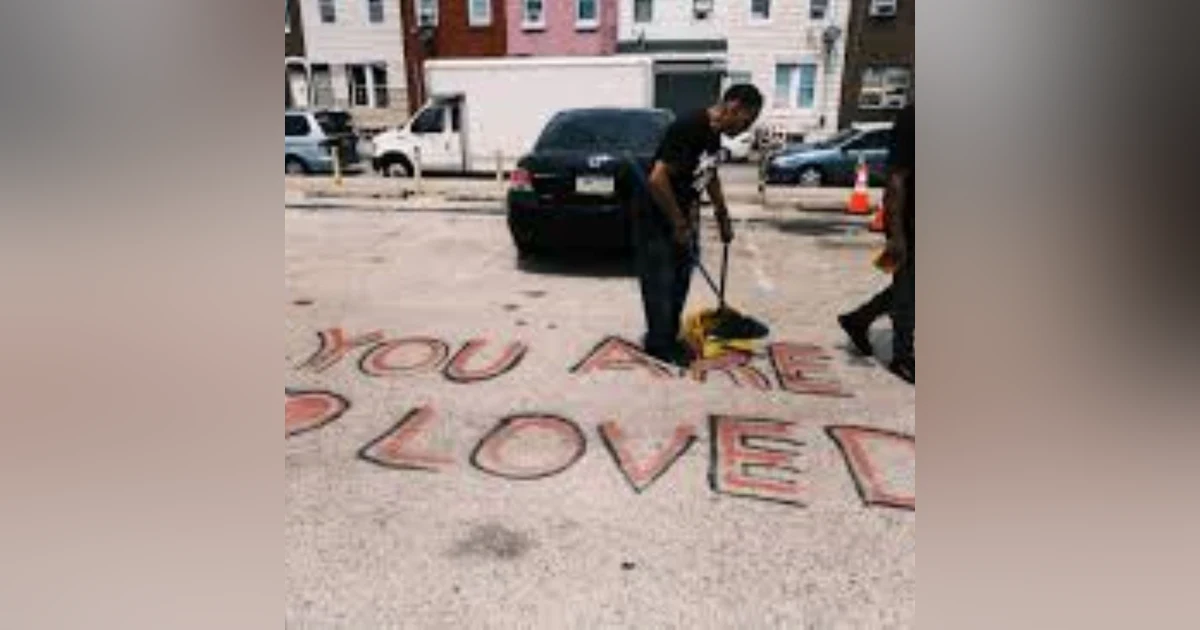
40:27 Since it's not an illegal drug, there's very little that law enforcement can do about the problem. Xylazine was developed in nineteen sixty two as an animal tranquilizer, but human trials were shut down because the drug repressed respiratory function, lowered heart rates to dangerous levels, and caused skin ulcers at the injection sites. In twenty twenty three, President Biden declared xylazine use a public health crisis. Of course, committees and task forces were created and there working on some solution. Meanwhile, in Philadelphia's Kensington neighborhood, Sean Westfall, an outreach worker with Prevention Point Philadelphia, told The New York Times quote, it's too late for Philly. Philly's supply is saturated. If other places around the country have a choice to avoid it. They need to hear our story end quote, and Philadelphia's story is bleak. The Kensington neighborhood is a known drug haven that is now filled with people passed out in the streets amongst the trash and dirty needles. The only hope that Kensington has is the outreach workers who tirelessly put together triage kits, hand out clean needles and syringes, and walk the streets giving out Narcan to those living there. Outreach workers say shame is the biggest reason that drug abusers don't seek treatment. Shame and the judgment that comes from hospital healthcare workers who think that atticts our own only showing up in the er
42:00 to get more drugs. While I don't condone the wholesale legalization of every drug available, I do condone decriminalization and treatment. The US has begun to move in that direction, but it moves slowly, and contrary to popular belief, not all people are created equal. Drug treatment is not available to all marginalized communities, especially people of color, and the impoverished are left behind. I've been thinking about this episode for over a year now. I've been considering different ways to approach it, different ways to think about it, and different ways to present it. I grew up in a family of addicts, and while my childhood wasn't horrible, it was hard to watch my parents suffer from alcoholism and addiction. My father died of cirrhosis of the liver when I was seven, and my mother continued down her path until she died at seventy of lung cancer. At that time, no one talked about these issues. It was accepted they didn't have any problems. They just like to have a good time.
43:14 Now we see addiction differently. There is more conversation about it, and there is help and hope. It's ninety seconds to midnight, and the conversation is beginning to take shape about a problem that is plagued mankind for centuries. It will be through awareness, compassion, and the hard work of those brave souls who want to overcome their addictions and those who never give up on the people that they love that this crisis can be overcome. Thank you so much for listening to Cause of Death. One hundred seconds to midnight. I want to give the phone number again to those who want to reach out for help.
43:55 Please call the substance Abuse. Mental Health Services administers stration hotline at one eight hundred six six' two four three five seven. I have other resources, including international ones listed at the top of the show notes. I have to apologize for the overly long hiatus. I had intended to only take a month off, but I had just recovered from walking pneumonia in July, and then I came down with COVID in August. My recovery was slow, to say the least, but now I'm back at it and I'm excited for this season. I want to thank DJ jem Jam and Murder and Mimosas for the great reviews. Thank you both so much for listening. Countdown is going to be a rough season, but the things that I talk about this season are important issues that we're all facing. This season was suggested by one of my longtime listeners, Carol, who really likes the one hundred seconds to Midnight episodes.
45:00 Thank you Carol for the suggestion. I hope that everyone who is listening will learn something from it, and thanks to all of you who have listened to the show. It's come a long way since the beginning, and my hope is that it continues to grow. The next episode will be a little lighter. It's my Halloween episode. I'm not going to tell you what it's about. It's sort of a surprise, but you can take it with a grain of salt. It's not going to be as serious as my normal episodes. Until then, remember that no matter what I talk about, there is always hope that things will change. Okay, okay, and

