S6 E8: 100 Seconds to Midnight: The Story of the Sixth Mass Extinction
Hello and welcome to Cause of Death – 100 Seconds to Midnight. I’m your host, Jackie Moranty. In the last 50 years we’ve lost more than 4,000 species that are vital to their habitats. These animals played an important role in the support of their...

 Apple Podcasts

 Spotify

 Spreaker

 Podchaser

 Castro

 RSS Feed

 Goodpods
Hello and welcome to Cause of Death – 100 Seconds to Midnight. I’m your host, Jackie Moranty.
In the last 50 years we’ve lost more than 4,000 species that are vital to their habitats.
These animals played an important role in the support of their ecosystems. Some were predators and some were prey, but they all had one natural enemy: Man.
As humans grew in numbers, these animals were overhunted, exposed to pesticides, and driven into smaller and smaller habitats. The land was needed for the King of the Beasts.
It’s 90 seconds to midnight, and our wildlife suffers under the heavy burden of human encroachment. From logging to drilling for oil, overdevelopment of wild lands to water diversion, animals are disappearing, never to be seen again.
You can reach me on the website at www.causeofdeath100secs.net or you can email me at Jackie@causeofdeath100secs.net.
My Link Tree can be found at: https://linktr.ee/CauseofDeathpod
Bats, Disease and the Environment Show Notes:
Extinction Research:
https://www.amnh.org/explore/ology/biodiversity/going-going-gone/what-causes-extinction
https://www.livescience.com/60436-most-valuable-treasures-still-missing-lost.html
https://www.nps.gov/yell/learn/nature/bearesa.htm
https://www.fws.gov/species/grizzly-bear-ursus-arctos-horribilis
https://www.endangered.org/animals/grizzly-bear/
https://hslf.org/blog/2023/02/no-time-strip-endangered-species-protections-grizzly-bears
https://defenders.org/newsroom/us-fish-and-wildlife-service-announces-status-review-of-grizzly-bears
https://www.britannica.com/list/titanosaurs-8-of-the-worlds-biggest-dinosaurs
https://www.huffpost.com/entry/11-extinct-animals_n_4078988
https://www.reuters.com/lifestyle/science/extinction-crisis-puts-1-million-species-brink-2022-12-23/
https://www.floridamuseum.ufl.edu/100years/xerces-blue/
https://xerces.org/about-xerces
https://www.cnn.com/2021/07/20/world/xerces-blue-butterfly-extinction-scn/index.html
https://www.cnn.com/2023/01/21/us/fenders-blue-butterfly-endangered-scn-trnd/index.html
https://www.fisheries.noaa.gov/species/north-atlantic-right-whale
https://us.whales.org/whales-dolphins/species-guide/north-atlantic-right-whale/
https://wwf.ca/species/north-atlantic-right-whales/
https://www.ifaw.org/animals/north-atlantic-right-whale
https://www.nationalgeographic.org/activity/north-atlantic-right-whales/
https://www.mass.gov/doc/north-atlantic-right-whale/download
https://www.washingtonpost.com/kidspost/2022/11/01/north-atlantic-right-whale-count/
https://nicholas.duke.edu/news/fewer-366-north-atlantic-right-whales-are-left-new-study-shows
https://f.hubspotusercontent20.net/hubfs/4783129/LPR/PDFs/ENGLISH-FULL.pdf
https://www.globalcitizen.org/en/content/animal-extinct-biodiversity-2021/
https://a-z-animals.com/blog/extinct-animals-12-species-that-are-gone-forever/
https://themysteriousworld.com/animals-extinct-past-decade/
https://www.dw.com/en/what-to-expect-from-the-worlds-sixth-mass-extinction/a-60360245
https://sites.google.com/a/westwood.k12.ma.us/mccarthy-science/home/challenge-problem
https://www.zmescience.com/science/humans-kill-animals-31102018/
https://www.vox.com/energy-and-environment/2019/12/9/20993619/biodiversity-crisis-extinction
https://brundallpc.norfolkparishes.gov.uk/files/2019/08/Broadsheet-177-June-2019.pdf
https://biol420eres525.wordpress.com/2019/05/18/setting-up-conservation-efforts-for-success/
https://www.treehugger.com/animals-presumed-extinct-in-the-last-decade-4869347
https://edition.cnn.com/2019/08/12/politics/endangered-species-act/index.html
https://blog.forumias.com/wp-content/uploads/2020/10/Factly-May-2019.pdf
Darkcast Network – Promo by Yours Truly
Support my sponsors! It ensures that Sweet Pea can eat!
This month’s sponsor is True Leaf Market.
For the last fifty years, True Leaf Market has offered a huge selection of non-GMO seeds including vegetables, grains, flowers, cover crops, specialty seeds, sprouting and microgreen seeds and, of course, my favorite, herbs.
They have a great selection of seeds , including their all-purpose garden cover crop mix.
I have a deal for you! True Leaf Market is offering my listeners $10 off any order of $50 or more. Free shipping is included on orders of $75 or more!
Go to www.trueleafmarket.com and use promo code COFD10 to start rehabilitating your garden today.
Limit one use per customer, offer expires October 31, 2023.
Podcast Promos:
Misty Mysteries
Book of the Dead
Music:
Time Off by Damma Beatz
You can reach me on:
Instagram: @CauseofDeathpod
FB: @COD100Secs
Twitter: @CauseofDeath10
TikTok: @causeofdeath100secs
Please don’t forget to rate and review on any of the platforms found here:
You can support Cause of Death here:
Subscribe on Apple Subscriptions
Patreon: https://www.Patreon.com/JackieMoranty
Ko-Fi: https://www.ko-fi.com/causeofdeathluckycharmsunplugg
Merch can be found at:
https://www.teepublic.com/user/causeofdeathluckycharmsunplugged
Please share this podcast with everyone you know.
Cause of Death is a proud member of the Darkcast Network. Find us at @darkcastnetwork on Twitter and @DarkcastNetwork on Facebook.
I am also a proud member of the Ossa Collective Network.
Cause of Death can be found on all major podcast platforms.
Tags:
#CauseofDeath100secs #CauseofDeath #100SecondstoMidnight #Prevention #WildlifeConservation #Research #Holoceneextinction #Anthropoceneextinction #extinction #EndangeredSpeciesAct #SaveourOceans #NOAA #USFishandWildlife
0:01 My name is Keeley, and I host a truegrim and paranormal podcast called Missy Mysteries. Missy Mysteries takes a special focus on unsolved cases and missing persons cases. All of my truegrim episodes are made and hopes to raise awareness and bring justice to those who need it most. Most of these episodes are made in partnership or made with the families of the victims and missing people. But the podcast isn't always true crime. Sometimes I bring spooky content, lie countings, aliens, and cryptics such as the original story of the Conjuring House, The Life of Edinler and Warren, and Mothman. Truecrime and paranormal even cross at times to make two part episodes like The Bobby Mackey Music World, The Lizzie Bordenhouse, and The vliska As Murder House. Missy Mysteries is ready to be binge listened to with over fifty episodes. Anywhere you get your podcasts, I cannot wait to keep you company whenever and wherever you like to listen to your podcast. Hi guys, I'm Courtney and I'm Lisa, and we are the hosts of the Book of the Dead, a true crime podcast based out of New Jersey, where we tell you about the most obscure cases that you may have never heard of. So join us in the Book of the Dead Library for another chapter of the Book of the Dead. Wherever you get your podcasts.
1:26 Hi, guys, dark Cast Network, come on over to the Dark Side. We're really nice people once you get past the true crime and scary science. Hello, and welcome to Cause of Death one hundred seconds to midnight. I'm your host, Jackie Moranti. In the last fifty years, we've lost more than four thousand and species that are vital to their habitats. These animals played an important role in the support of their ecosystems. Some were predators, some were prey, but they all had one natural enemy man. As humans grew in numbers, these animals were overhunted, exposed to pesticides, and driven into smaller and smaller habitats. The land was needed for the King of the beasts. It's ninety seconds to midnight, and our wildlife suffers under the heavy burden of human encroachment, from logging to drilling for oil, over development of wild lands to water diversion. Animals are disappearing, never to be seen again. Now I can't talk about the four thousand species that have gone extinct over the last fifty years. That would take forever. But I can talk
3:00 about a few that have disappeared over the last ten years. And keep in mind, the important point of this episode is why some of these animals were magnificent and fierce and some were small and colorful. They were all valuable to their habitats, and they're all mist We are in the sixth mass extinction event. This event started anywhere from a thousand to ten thousand years ago, and during this extinction we've seen a steady decline in our biodiversity. Every life form is affected by this event, including bacteria, fungi, plants, mammals, birds, reptiles, amphibians, fish, and invertebrates. The previous five mass extinction events were caused by natural phenomena. The Ice Age was the first mass extinction, which occurred at the end of the Ordovician period about four hundred and forty four million years ago. That event lasted about a million years and wiped out eighty six percent of the species that lived on the planet at that time.
4:18 The last mass extinction event was believed to be caused by an asteroid hitting the Earth. This was called the Cretaceous Tertiary extinction and it happened around sixty five million years ago. This mass extinction is called the Holocene or Anthroposcene extinction. Holocene is the geologic period in which the event takes place. Anthroposcene has a much darker meaning. It refers to the actions of man as the cause for the extinction. Mass extinction is defined as the disappearance of approximately seventy five percent of the species on Earth in a geologically short period of time, faster than new species can replace them. The Anthropocene extinction is occurring at rates that are one hundred to one thousand times higher than previous extinction events. Those events had background extinction rates. Currently, our background rates are very low. A background extinction rate is a pre human extinction rate, and these are normal evolutionary processes and extinctions. Animals will go extinct without the help of man, but this time man is the cause of the extinction rates. Data from a UN report published in twenty nineteen stated that in a few decades at least one million
5:49 species could be wiped out. Okay, so a few animals and plants become extinct, Who cares there are always more animals, right, Well, let's talk about what would happen if we lose a million species over a few decades. Our food supply would be threatened. Plants depend on pollinating animals, and about one third of our food supply comes from plants. Even cash crops can't survive without bees, bats, and butterflies as pollinators. Crop pests would also thrive and take over as predator populations dropped off. Frogs and bats eat a lot of bugs, and without them, bugs would become more plentiful. Soil quality would become affected. To microorganisms in soil promote plant growth by cycling nutrients and breaking down crop residues. Allowing the soil to be sapped from its nutrients will cause a decline in food production. Thirty five percent of land suitable for crop production has been degraded by humans since nineteen fifty, largely due to commercial farming and deforestation. Deforestation affects rainfall patterns. Evapo transporation is the process in
7:24 which moisture is returned to the atmosphere through evaporation and plant transporation. Without it, the land dries out. Much of our fresh water comes from wetlands that purify and redistribute it. The Himalayan Water Tower is an example of this. It's fed by rivers and wetlands, and it supplies about two billion people with fresh water. If these ecosystems collapse, there would be more algae ballooms, less vegetation, and humans would lose fresh water supplies. Natural cover plants like trees protect the earth from wildfires and flooding. Salt marshes and mangrove forests buffer against ocean swells and hurricanes. I want you to notice how forests are coming up in almost every example here. Here's another one. Forests help us fight climate change by creating carbon sinks. Without them, we would be emitting even more greenhouse gases into the environment. The lack of water, crop failures, lack of grace for livestock, and the disappearance of animals to hunt for food would cause mass migrations as people move to other places where they might be able
8:56 to find more resources. This would cause conflicts, if not all at wars over dwindling resources. Mass extinction could impact our health through contact. It opens the door to introducing new diseases when we enter new habitats or as animals flee theirs to find new places to live, we have a greater chance of contacting these animals, giving rise to the opportunity for spillover of new pathogens. One of the best examples of this is the Ebola outbreak in West Africa in twenty fourteen. It was believed to have started when children were playing in a hollowed out tree that was home to bats. If we lose too much of our natural habitat, it could also weaken our ability to fight off disease. For instance, if we lose the order of bats, there will be more mosquitoes and more mosquito bites. This gives rise to the threat of more vector borne diseases that could have been curbed if we had just kept the bats. We
10:26 depend on many plants and fungi to help us recover from disease. Too. Many treatments for heart disease, Parkinson's and various cancers have their bases in nature. And then there's the threat to our mental health. I love to be outside and I love wildlife. A small stream runs beside the company that I work for. When I first moved here, I was thrilled to see wild turkeys, herons, and even groundhogs living around the stream. I had never seen a groundhog before. They didn't live in the West where I spent most of my life. Every day before work, when I leave for lunch, and after work, I look for the groundhogs. When they're out, I spend a few minutes watching them. I even talk to them. I've seen hawks and frogs and lizards around the stream too. It just makes me feel better to see these wild creatures after a long day at work or on the way in when I know it's going to be a long day. The field behind the apartment where I live is filled with fireflies. I go out at night and I watch them as well. Some nights there are only a few here and there, but there have been nights when the entire field is covered in fireflies. It's an amazing site. I've lived in cities where there weren't
11:58 many critters to watch and enjoy, and it sucked. It did affect my mental health not to have birds chittering or little fuzzy things running around. When people are separated from wildlife, it's referred to as ecological grief. This is defined as physical ecological losses, loss of environmental identity, or anticipated future ecological loss. It's important to people who live in wild places that those places remain wild. Let's take a quick break to hear from my sponsors, and then I'll come back and we'll talk about the causes of the Holocene extinction. Did you know that planting cover crops in fall will help replenish the soil for spring.
12:58 Cover crops at Organic Biomass keep the soil bacteria healthy, add nitrogen and other nutrients so that when spring comes around, you're ready to plant vegetables and fruits and the soil is ready to support them. Cover crops also attract pollinators to your gardens. I've talked a lot about how important bats are, but you also want to attract bees, butterflies, and other beneficial insects. Amphibians are struggling with fungal disease, and planting cover crops may also give them a safe place to hibernate for the winter. Cover crops improve soil structure and prevent erosion. Whether you're planting backyard gardens, containers, or raised beds, cover crops will keep your soil healthy. It costs less than twenty five dollars for most backyard gardens, and the improvement in next year's harvests will save even more money. Truly Market has been the choice for over one million growers for heirloom and organic garden seeds since nineteen seventy four. It's the only place that I buy seeds for my plans. They have a great selection of seeds, including they're all purpose garden cover crop mix, and I have a deal for you.
14:22 Trueleaf Market is offering my listeners ten dollars off any order of fifty dollars or more. Free shipping is included on orders of seventy five dollars or more. Go to www Dot truleafmarket dot com and use promo code COFD ten to start rehabilitating your garden today. That's www dot truleafmarket dot com and use promo code COFD ten for ten dollars off any order of fifty dollars or more. Limit one use per customer. Offer expires October thirty first, twenty twenty three.
15:13 The current biodiversity crisis can be boiled down to five root causes. Firstly, we've changed the way that we use the land and the sea. The area of the world that's been unaltered or untouched by humans is shrinking. About a third of the entire world is reserved for agriculture or livestock. Between nineteen eighty and the year two thousand, about one hundred million hectares of tropical forests disappeared. A hectare is ten thousand square meters or about two and a half acres of land. The Wakida is a small porpoise that lives in the Pacific Ocean. It mostly lives along the coast of California north in Mexico. To date, there are only about ten left in the wild. There has been one calf sighting, so biologists aren't giving up hope that the species could bounce back, but it's the most endangered animal currently known. The vaquita often get caught in gill nets used by commercial fishermen. Once they're trapped in the nets, they can escape and they drown. The Mexican government has banned the use of gillnets for commercial fishing, but enforcing that band has been challenging. In an effort to save the vakeda from extinction, Mexico and California have created protected areas of ocean so that they can be safe from industrialized fishing. Another example
16:51 is the pinta giant tortoise. This species was declared extinct on June twenty four, twenty twelve, when Lonesome George, the last surviving member, died. During the nineteenth century, whalers hunted the tortoises for food, but more recently their habitat in the Galapagos Islands has been destroyed by deforestation after the locals introduced goats into their habitat. Hunting and poaching have driven several animals to extinction. Protected species around the world are still targeted for their pelts, their meat, or their horns. The illegal exploitation of animals is one of the most profitable illegal activities known. Every branch of wildlife has been involved in this trade in one way or another. One animal that went extinct to to this was the West African black rhinoceros. This was a subspecies of the black rhinoceros. The rhinoceros was declared extinct in twenty eleven. They last existed in Cameroon, but after an intense survey of the land, biologists didn't find any signs of living West African black rhinos. They were hunted into extinction by poachers who only wanted their horns. The horns of the rhinoceros are prized for the belief that they
18:26 are an aphrodisiac. Climate change, of course, is wreaking havoc on several species, from corals to mammals. Climate change is one of the biggest factors in the Anthropocene extinction. The bramble Ka Malammas may have been the first mammal to have gone extinct due to climate change. The Malammas was a rodent that lived on an island off of Australia and was last seen in two thousand and nine. Its habitat was just nine feet above sea level, and when the sea level rose on Brown Bouquet, it caused inundation events that killed the plants where little milamas sheltered. This in turn contributed to the extinction of the species.
19:26 The fourth root causes pollution. Noah estimates that over one hundred million marine animals die per year because of plastic pollution. Other pollutants, such as oil and gas cause even more depths. The Beijier River dolphin had traveled the Yanksea River for twenty million years. It was wiped out in less than fifty years by overfishing boat traffic pollution and poaching. In two thousand and six, scientists from the Beiji Foundation traveled the Yanksee River for more than two thousand miles in search of the dolphin that had once populated the river, and none were found.
20:10 There haven't been any sightings of them since two thousand and two. The fifth root cause is invasive alien species. This is caused by people bringing species from one place to another. Often these species don't have natural predators in the area, and they take over the environment. The Mariam viviparous tree snail was declared extinct in the wild in two thousand and nine. When the African land snail was introduced to Tahiti in nineteen sixty seven, is a food source, the snails escaped captivity and began to destroy crops. Biologists then attempted to control that snail by introducing the rosy wolf snail as a predator in nineteen seventy seven.
21:06 The rosy wolf snail also preyed upon the tree snail and all the other native snail species. Several species of tree snail still exist in captivity and it's thought that they might be reintroduced, but the rosy wolf snail is still out there, and it's hungry. There are more causes of extinction that can be attributed to man, and we've talked about one of them quite a bit in this season. It's disease. The splendid poison frog made its home in the Cordia Central Impanama. It was declared extinct in twenty twenty. It was last seen in nineteen ninety two. Biologists believe that the species went extinct due to an outbreak of frog fungal disease in nineteen ninety six, but deforestation and habitat degradation had already caused a significant decline in the species. Politics and litigation are currently a double edged sword when it comes to wildlife conservation. In twenty nineteen, Donald Trump tried to pare down the Endangered Species Act to only include the most critically endangered. The Endangered Species Act has saved several species from extinction,
22:37 including the California condor, the grizzly bear, and our nation's emblem, the bald eagle. Trump wanted to give all that up so that oil and gas production could take over the habitats that are so desperately needed by not only those species, but about a thousand others. The Endangered Species Act was coming under fire during the Trump administration, and the Department of the Interior was going to let it happen. The idea was to curb the ways that species could be added to the list and lengthen the process for getting them on that list in the first place. The Secretary of the Interior, David Bernhardt, said that the way that the Act was being carried out was not effectively administered, and that cutbacks to the law would ensure that resources could go where they would do the most good. Presumably he meant in the pockets of the oil companies.
23:41 Conservationists agree that the law needs an overhaul, but they want to get the wheels of bureaucracy to move faster, not slower. And while the current Secretary of the Interior, Deb Hallen says that the Endangered Species Act will be maintained, we don't know what the next presidential administration will do. When you can't get your way in America, you sue someone. And litigation over land rights has gone all the way to the highest court in the land. In some cases. Yes, land developers are suing the frogs, the bears, the wolves. The Department of the Interior and the Fish and Wildlife Service for their right to build unprotected lands. Recently, the Supreme Court has decided that it's time to take another look at the Endangered Species Act. Currently, thirteen hundred plants and animals are protected under this law, but lobbyists for land development and oil companies are suing to get their grubby hands on what little wild lands are left. The Endangered Species Act was put into law in nineteen seventy three and it hasn't been revised since nineteen ninety two. But during the thirty years since,
25:11 several lawsuits, mostly from land developers, have been argued for the right of developers to build on public lands. A landmark case was argued in twenty eighteen in Warehouser Company versus United States Fish and Wildlife Service. The Warehouser Company argued that the land that they owned in a section of Saint Tammany Parish, Louisiana, should be cleared for development. This section was called Unit one, and it was deemed a critical habitat for the dusky gopher frog. This frog had been placed on the endangered species list in two thousand and one. Warehouser argued that since the frog hadn't been seen in that habitat for decades. Unit one met the qualifications for an abandoned critical habitat. The unit had been used as a commercial timber plant for many years, and the frogs had since moved to Mississippi. The Fish and Wildlife Service argued that the land still met the criteria for critical habitat whether the frogs moved or not. This habitat had rare, high quality breeding ponds and it was separated from other frog populations. The land would dry out in summer, allowing the frogs to breed without concern for predation. The owners submitted a report saying that if the land was allowed to remain a critical habitat, it would block their efforts to develop it and the company would lose about thirty three million dollars in profit. The Unit one landowners
26:48 was a group of family developers led by the Ware Hazard Company, and they argued that the land had become a closed canopy forest due to the logging, and the frog prefers an been canopy forest for its habitat. The Fish and Wildlife Service lost in district court, but before the developers could build anything, the Supreme Court got it's shot at the case. Without getting into a lot of legalies, suffice it to say that the Supreme Court ruled that the habitat must first be a habitat so it couldn't be abandoned, and that economic impact had to be taken into account before any land was designated as a critical habitat.
27:30 Wherehauser was cleared to develop, the ponds had to be diverted and the area had to be filled in before they could actually build. But they were cleared to do it, and it was a blow to the Fish and Wildlife Service. But as far as I know, the dusky gopher frog is still hopping along in Mississippi. E and E Knew has found that there were fifty three ESA actions taken by the Fish and Wildlife Service between January first of twenty twenty two and May first of twenty twenty three. These actions included listings of threatened or endangered species and designation of critical habitats. Of these fifty three actions, thirty eight of them involved lawsuits. Jonathan Wood, the vice president of law and Policy at the Property and Environment Research Center, told E and E.
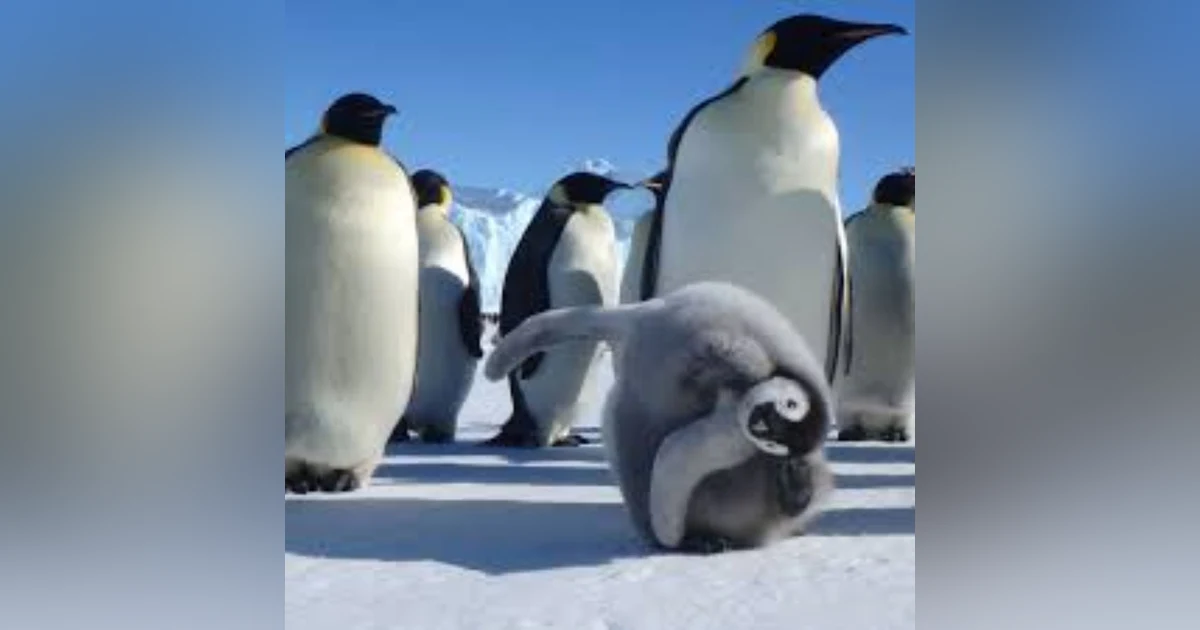
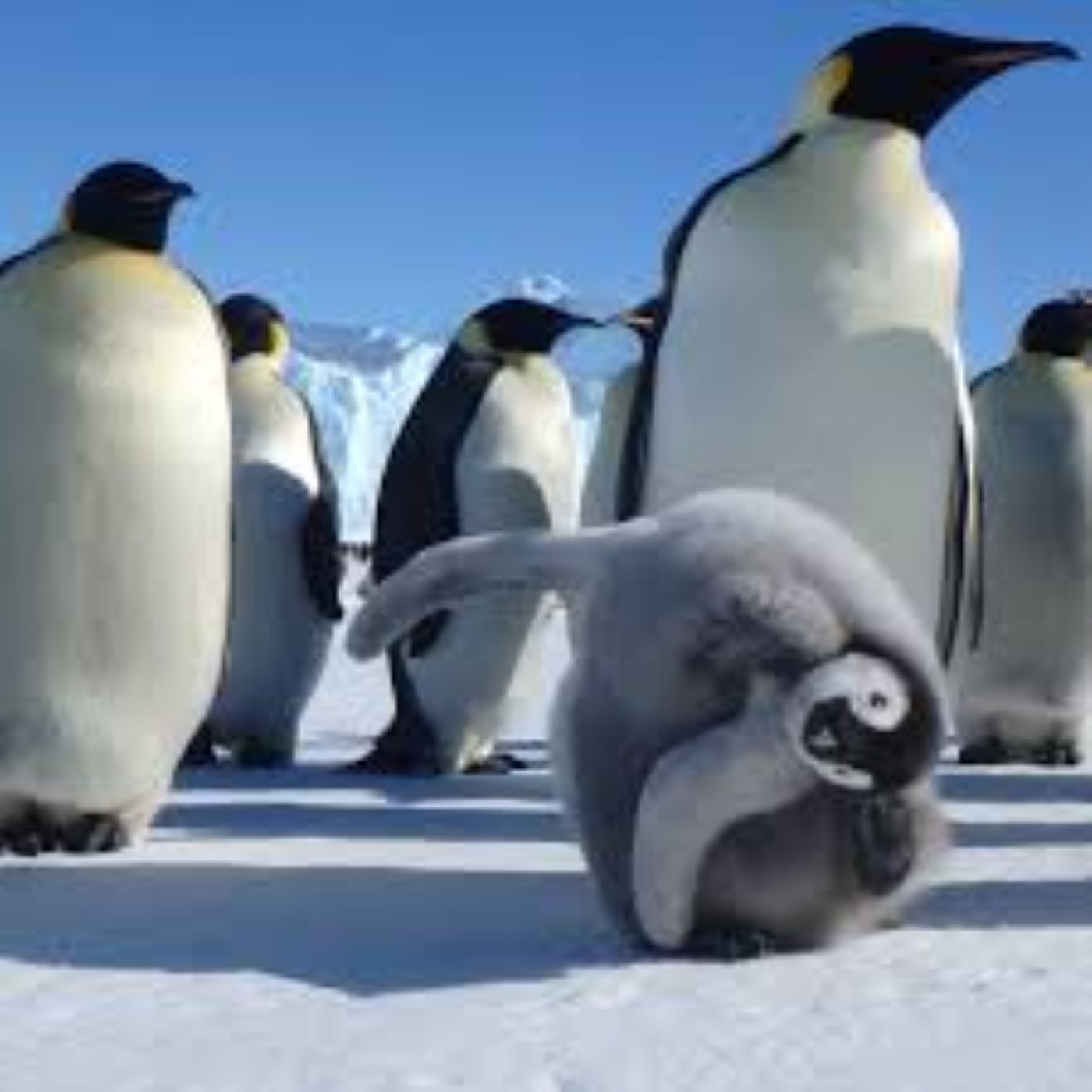
28:33 Quote the pile up of lawsuits has led some agencies and landowners to feel like litigation targets rather than conservation partners. End quote be that, as it may, the lawsuits are getting the Fish and Wildlife Service to act quicker to get species added to the list of endangered animals. The ESA frequently misses deadlines, and this draws legal action from the left, while the right complains that the agency is hiding the number of species that have been recovered. In an analysis done by the Defenders of Wildlife, it was found that about four hundred species lacked a required recovery plan and almost nine hundred plans are outdated. While litigation can harm a species, sometimes the animals win. A prime example came from the Emperor penguins. The Center for Biological Diversity petitioned for the penguins to be added to the endangered species list in twenty ten. Four years later, the Fish and Wildlife Service agreed that the penguins were endangered, but nothing happened until twenty twenty two, when the Center for Biological Diversity filed the suit against the Fish and Wildlife Service for not getting the penguins declared endangered in a timely
30:03 manner. That's what finally got the ball rolling and in November of twenty twenty two, the penguins were added to the Threatened Species list. The penguins habitat has been threatened by climate change. Emperor penguins live on the sea ice of Antarctica. They never set foot on land. They even breed on the frozen sea. Their populations have declined up to fifty percent in some areas, and one colony of the Antarctic Peninsula has been totally wiped out. As the oceans warm and the sea ice melts, the habitats of the penguins become threatened, and this in turn threatens their survival. Lawsuits have become a necessary evil for the conservationist groups. While litigation can move things along a bit quicker, it also puts the Fish and Wildlife Service and the National Oceanic and Atmospheric Administration in a bind. They spend so much time in courtrooms that other tasks get put to the back burner and the agencies get even more behind. Lawyers are expensive, and this leads to a lack of employees to file paperwork and release documents.
31:33 The moral of the story is that we can't add politics to the list of things that are causing the Holocene extinction. The animals are having a hard enough time with the other problems that man has created. At some point and very soon, we need to reverse the effects that we've had on our environment. Because we're all connected. We may not see the negative outcomes of losing a species here and a species there yet, but it's coming. We don't want to wait until it's too late. While humans get greedier and develop more land, drill for more oil, and exploit animals for food and sport, forty percent of amphibians, thirty three percent of coral reefs, and over a third of marine mammals are threatened with extinction. We're losing species faster than normal extinction rates can replace them, and we don't even realize how important they are to us. It's ninety seconds to midnight and time is running out for the critically endangered. Will the human race follow them into extinction? I want to thank you all for listening to Cause of Death one hundred seconds to midnight.
32:58 Please check out the show notes for more information on the Holocene extinction and the small contributions we can all make to reverse it. There's always something we can do. Generate less trash, don't waste food. Garden wisely and sustainably. Drive less little things can make a big difference. Check out my sponsor for this month's True Leaf Market. It's time to put your gardens to rest for the winter, and True Leaf Market can keep your soil healthy with a variety of cover plants that provide nutrients for the soil. I'm going to be doing a short mini so next week with the owner of True Leaf Market, Parker Garlets, and I are doing a virtual meat so that he can talk about the advantages of cover plants as opposed to just letting the gardens die or covering them with straw. I'm thrilled to have him on. True Leaf is one of my favorite sponsors. After that, I'll be taking a short hiatus so that i can get caught up on the podcast and gear up for the show that I'm starting with my daughter Jessica. We've got some really neat stories to tell about buried treasure, unsolved mysteries of the past, and historical incidences that don't have any firm conclusions. Our first episode is going to be on Thomas Beale's Buried Treasure and the ciphers he wrote that keep it hidden. Be watching
34:29 for digging into unsolved history. It'll debut in October. Season six. Who's Who Outside of the Zoo has come to an end, but I'll be gearing up for season seven over the break. That season is called Countdown. I have five or six one hundred seconds to Midnight episodes that I'll be looking into. If you're a Patreon or Apple subscriber, be looking for more bonus content to be released over the break as well. If you're not, what are you waiting for? I've got some interesting things coming up on the subscription feed that won't be available on the normal feed. Thank you again for listening to Cause of Death one hundred seconds to Midnight Until next time. Do your part to keep our ecosystems healthy. We depend on wildlife. If the creatures go down, we go down with them. M

